Realtor Insights: Statistical Proof a New Roof Reduces a Home’s Time on the Market

Realtor Insights: Statistical Proof a New Roof Reduces a Home’s Time on the Market

Imagine this: your home has been on the market for weeks. The initial flurry of showings has slowed to a trickle, and the feedback from potential buyers is becoming frustratingly consistent: “The house is great, but…” That single word hangs in the air, representing the invisible barrier between you and a signed contract. As real estate professionals, we provide high-value expertise to help sellers navigate these challenges, and we know that the “but” is often a major, costly component like an old roof.

A professional roofer in safety gear installing new architectural shingles on a residential house roof under a bright, clear sky.

For a buyer, an aging roof isn’t just a cosmetic flaw; it’s a five-figure problem they see looming in their immediate future. It represents uncertainty, hassle, and a significant, unplanned expense right after making the biggest purchase of their lives. This article moves beyond simple opinion and anecdotal evidence. We will provide statistical proof and exclusive Realtor insights to demonstrate how strategically investing in a new roof reduces a home’s time on the market, protects your asking price, and paves the way for a smoother, more profitable sale.

Key Takeaways

  • Buyer Psychology is Key: An old roof is a major red flag for buyers, triggering fears of unknown costs and disqualifying your home from the highly sought-after “move-in ready” category.
  • Data Confirms a Faster Sale: While specific “days on market” data varies by region, home inspection issues—with the roof being a primary culprit—are a leading cause of delayed or terminated contracts. A new roof removes this major hurdle.
  • It’s a Financial Shield: Sellers who don’t replace an end-of-life roof often face demands for significant price reductions or credits that can exceed the actual cost of a new roof.
  • The ROI is More Than a Number: While a new roof has a direct cost-recouped value of over 60%, its true return on investment comes from avoiding months of carrying costs, stressful renegotiations, and the financial hit of a deeply discounted sale price.

The Buyer’s Perspective: Why an Old Roof is a Red Flag, Not a Negotiation Point

To sell your home effectively, you need to think like a buyer. From their point of view, a 15- or 20-year-old roof isn’t a charming feature—it’s a liability. Here’s a breakdown of the psychology that makes an old roof a deal-breaker.

The Fear of Immediate, Unknown Costs

When a buyer sees worn, curling, or moss-covered shingles, their mind doesn’t calculate the precise cost of a replacement. Instead, it jumps to a worst-case scenario. They overestimate the price and the hassle involved. This triggers immediate financial anxiety and a cascade of questions:

  • How much will a new roof really cost?
  • Is there hidden water damage in the attic or walls?
  • Will we have to deal with a major leak right after moving in?

This uncertainty is often enough to make them walk away entirely, rather than commissioning inspections to find the answers. They simply move on to the next listing that doesn’t present such a glaring and expensive question mark.

The “Move-In Ready” Dealbreaker

In today’s market, the term “move-in ready” is golden. Buyers, particularly millennials who make up the largest share of homebuyers, are often balancing busy careers and young families. They want to unpack their boxes and start their new lives, not manage a major construction project.

An old roof instantly strips a home of its “move-in ready” status. It signals that the house requires immediate, significant work. This dramatically shrinks your pool of potential buyers to only those willing to take on a renovation project, who will invariably expect a steep discount for their trouble.

The Inspection and Insurance Hurdles

As a seasoned Realtor, I can tell you that an old roof is a guaranteed point of contention on the home inspection report. It’s one of the first things an inspector scrutinizes, and any noted defects become powerful leverage for the buyer. This predictably leads to one of three outcomes:

A beautiful, modern suburban home with a pristine new roof, manicured lawn, and excellent curb appeal, ready for sale.

  1. Renegotiation: The buyer demands a significant price reduction.
  2. Request for Credit: The buyer asks for a large credit at closing to cover a future roof replacement.
  3. Collapsed Deal: The buyer gets spooked by the report and walks away, forcing you to put your home back on the market.

Furthermore, the insurance landscape has become increasingly difficult. Many insurance companies are refusing to write new policies for homes with roofs over 15-20 years old, or they are charging exorbitant premiums. If a buyer can’t get affordable insurance, they can’t get a mortgage. This can kill a deal in the final stages, a truly frustrating experience for any seller. A new roof can actually save you money on both energy and insurance, a fact that makes it a powerful selling point.

The Statistical Proof: How a New Roof Impacts the Numbers

Sellers are understandably concerned about the upfront cost of a roof replacement. But the data shows that the cost of not replacing an old roof is often far greater.

Statistic #1: Drastically Reducing Deal-Killing Complications

While a single, universal statistic for reducing “Days on Market” is hard to pin down across all markets, the data on why deals fall apart is crystal clear. According to the National Association of Realtors® (NAR) Confidence Index Survey, approximately 9% of contract terminations are due to issues revealed during the home inspection. The roof is consistently one of the top and most expensive problems found.

The Proof: By replacing an end-of-life roof, you eliminate one of the most common and significant reasons for a deal to collapse. This doesn’t just reduce your time on the market; it dramatically increases the certainty of closing on schedule and without last-minute drama.

Statistic #2: Protecting Your Asking Price

An old roof is a buyer’s number one negotiation tool. They will use it to justify a lowball offer or demand huge concessions after the inspection. Sellers often find themselves backed into a corner, forced to give a credit that is far more than the roof would have cost.

The Proof: Real estate agents consistently report that buyers often request 1.5x to 2x the estimated cost of a repair to account for the hassle factor. If a new roof costs $15,000, a buyer might demand a $20,000-$25,000 price reduction. By proactively replacing the roof, you control the cost and the narrative, protecting your home’s value from these aggressive negotiation tactics.

Statistic #3: A Surprising Return on Investment (ROI)

The most common question from sellers is, “Will I get my money back?” The direct financial return is strong, but the true ROI is even more compelling.

A red 'Sold' sign from a realtor is posted in the front yard of a lovely, well-maintained home on a sunny day.

The Proof: According to the respected 2023 Remodeling “Cost vs. Value” Report, a new asphalt shingle roof replacement recoups an average of 61.1% of its cost in immediate resale value. However, this number is just the beginning. It doesn’t factor in the thousands of dollars you save by:

  • Avoiding a price reduction that exceeds the roof’s cost.
  • Eliminating extra months of carrying costs (mortgage, taxes, insurance, utilities) while your home sits on the market.
  • Securing a faster, less stressful closing process.

When you add these financial benefits, the true ROI of a new roof becomes one of the smartest pre-listing investments you can make.

Exclusive Realtor Insights: What We See on the Front Lines

The statistics tell one part of the story. Our experience working with buyers and sellers every day tells the rest. Here’s what we see happening on the ground.

Insight from a Realtor: “You’re Selling Confidence, Not Just Shingles”

A new roof with a transferable warranty is one of the most powerful confidence-builders you can offer a buyer. It communicates that your home has been well-maintained and is a safe, secure investment. You are proactively removing their single biggest fear before they even have a chance to voice it. This peace of mind is invaluable and sets your home apart from the competition.

How We Market a Home with a New Roof

A new roof isn’t just a repair; it’s a premier marketing feature. As your Realtor, we leverage it to create immediate interest and justify your asking price. You’ll see it highlighted in the very first line of the MLS property description:

“WORRY-FREE LIVING with a BRAND NEW ROOF (Installed 2024) and Transferable Warranty!”

We make it a centerpiece of online ads, professional brochures, and our talking points during showings and open houses. It becomes the anchor for the home’s overall quality and value, a strategy you can explore further by looking at how various properties are categorized and tagged.

An otherwise attractive suburban house with a visibly old and weathered roof, showing curled shingles and signs of aging.

Winning the Negotiation Battle Before It Starts

With a new roof, you’ve taken the buyer’s biggest piece of leverage off the table. The entire tone of the negotiation shifts. Instead of a defensive conversation focused on defects and repair costs (“what’s wrong with the house”), it becomes a positive conversation about features and lifestyle (“what’s great about the house”). You maintain control and negotiate from a position of strength.

Your Strategic Decision: Is a Full Roof Replacement Necessary?

Not every roof needs a full replacement. The key is to make a strategic decision based on a professional assessment.

Assess Your Roof’s True Condition

A professional evaluation is always the best first step. However, here are some general guidelines:

  • Full Replacement is Likely Needed If: The roof is over 15 years old (for standard asphalt shingles), you see widespread curling or cracked shingles, there are significant dark streaks from algae, or you notice granules collecting in your gutters. If your neighbors in homes of a similar age are all getting new roofs, that’s a strong signal for the market.
  • A Repair Might Suffice If: The roof is relatively young (under 10 years) and has isolated damage, like a few missing shingles from a storm. In this case, a certified repair and a professional “roof tune-up” can provide the necessary assurance for buyers.

Our team of experts can help you navigate these choices.

Choosing Materials for Maximum Resale Value

If you decide to replace the roof, the goal is to appeal to the widest possible pool of buyers.

  • Material: High-quality architectural shingles (also known as dimensional shingles) offer a premium, textured look at a reasonable cost. They are a massive upgrade from old, flat 3-tab shingles.
  • Color: Stick to neutral, versatile colors like charcoal grey, weathered wood, or dark brown. These complement almost any home exterior color.
  • Warranty: Insist on a transferable warranty. This is a critical document that your Realtor will present to buyers as proof of quality and a tangible asset that comes with the home.

A Faster, More Profitable Sale is Within Reach

The evidence is clear. An old, worn-out roof is a major deterrent that stops buyers in their tracks, slows down sales, and invites costly, lowball offers. It creates a cloud of uncertainty that can stall your sale for months.

The statistical proof is compelling, and our Realtor insights from the front lines confirm it every day: a new roof is one of the most effective, high-impact investments you can make to reduce your home’s time on the market and secure the best possible price. It transforms your property’s biggest potential liability into one of its strongest assets.

Don’t let your sale stall because of an old roof. To get a professional assessment and understand how a smart home improvement can position your property for a quick and profitable sale, connect with the experts at saveonhomes.ca today. Explore our full range of resources and pages to get started.

Frequently Asked Questions

Why is an old roof such a major deterrent for potential home buyers?
An old roof is a significant red flag for buyers because they see it as a large, looming expense (often five-figures) and a major hassle they’ll have to deal with soon after moving in. It removes the home from the desirable ‘move-in ready’ category and introduces uncertainty into their purchase decision.
Is there actual proof that a new roof helps sell a home faster?
Yes. The article moves beyond anecdotal evidence to provide statistical proof and professional insights demonstrating that strategically investing in a new roof reduces a home’s time on the market.
What are the main benefits of replacing my roof before listing my home for sale?
The primary benefits are reducing the home’s time on the market, protecting your asking price from being negotiated down, and facilitating a smoother, more profitable sale by eliminating a major objection for potential buyers.
How does a new roof affect buyer psychology?
A new roof positively influences buyer psychology by removing a major source of anxiety about future costs and repairs. It signals that the home is well-maintained and qualifies it as ‘move-in ready,’ which is a highly sought-after feature for many buyers.

Tech Expert Breakdown: The Critical Role of Core Web Vitals and Page Speed for IDX-Heavy Real Estate Sites

Tech Expert Breakdown: The Critical Role of Core Web Vitals and Page Speed for IDX-Heavy Real Estate Sites


Your Website is Your Most Important Open House—Is the Door Stuck?

Imagine this: you’ve scheduled an open house for a stunning property. You’ve marketed it perfectly, and a stream of eager potential buyers arrives right on time. But when the first person tries the door, it’s jammed. They jiggle the handle, push a little, then give up in frustration and walk away. The next person does the same. In the digital world, this is happening on your real estate website every single day. That “jammed door” is poor page speed.

A person looking frustrated at a slow-loading laptop screen inside a modern, stylish home, representing a poor user experience.

As a real estate professional, you’ve invested significant resources into a beautiful website designed to showcase listings and capture leads. Yet, you see visitors arrive and then “bounce”—leaving almost immediately without contacting you or exploring properties. You know something is wrong, but the technical jargon feels impenetrable. What is a “Core Web Vital,” and how could it possibly affect your commission?

This is where expert insight becomes crucial. We’re here to provide a clear, no-nonsense breakdown of why this happens, specifically for data-intensive real estate websites, and what these technical terms actually mean for your bottom line. A fast, responsive website isn’t a luxury or a nice-to-have feature; it’s the fundamental requirement for converting online traffic into real-world clients, and mastering Core Web Vitals is the key to unlocking that potential.

Key Takeaways

  • IDX is Inherently Slow: The Internet Data Exchange (IDX) feeds that power your listings are loaded with thousands of high-resolution images and third-party code, making real estate sites uniquely challenging to optimize for speed.
  • Core Web Vitals Measure User Experience: Google’s Core Web Vitals (LCP, INP, CLS) are not just technical metrics; they are direct measurements of how a visitor experiences your site’s speed, responsiveness, and stability. A poor experience leads to lost clients.
  • Speed Directly Impacts SEO and Leads: Google uses Core Web Vitals as a direct ranking factor. A faster website ranks higher in search results, keeps users engaged longer, and dramatically increases the likelihood of a visitor filling out a contact form.
  • Optimization is a Specialized Task: Fixing a slow IDX site requires more than a basic plugin. It involves a strategic approach to image compression, caching, script management, and choosing the right technology partners.

First, What is an IDX Feed and Why is it a Speed Challenge?

Before we dive into the solutions, we must first understand the root of the problem. Nearly every successful real estate website is built around an IDX feed, and that technology, while essential, comes with significant performance baggage.

Defining IDX in Simple Terms

Think of the Internet Data Exchange (IDX) as the technology that creates a direct, constantly updating pipeline from your local Multiple Listing Service (MLS) to your personal website. It’s the magic that allows you to display all active listings in your market—not just your own—on your domain. This transforms your site from a simple brochure into a powerful, comprehensive property search tool for potential buyers.

A close-up of clean, modern computer code on a high-resolution screen, representing the technical backend of Core Web Vitals and page speed.

The “Heavy” in IDX-Heavy

This pipeline is incredibly powerful, but it’s also incredibly demanding. The term “IDX-heavy” refers to the sheer volume and complexity of the data being pulled through that pipeline, which is the primary reason real estate websites struggle with speed. Here’s what makes it so heavy:

  • Massive Amounts of Data: Your site is constantly processing and displaying information for thousands of listings, including addresses, prices, descriptions, square footage, and countless other details.
  • High-Resolution Images: Every single listing comes with a gallery of large, high-resolution photographs. A user browsing just ten listings could be loading over a hundred images, each one a significant drain on load time.
  • Third-Party Scripts: The IDX feed itself is managed by a third-party provider. Their code—which you don’t control—runs on your site to pull and display the listings. This external code adds another layer of complexity and potential for slowdowns.

This combination of a massive database, a flood of large images, and reliance on external code is the perfect storm for poor performance. It’s why a generic “speed up your website” guide often fails to make a dent for real estate agents.

Decoding the Jargon: Google’s Core Web Vitals Explained for Real Estate

Don’t let the acronyms intimidate you. Core Web Vitals are simply Google’s way of measuring the actual experience a visitor has on your website. Google wants to send its users to pages that are helpful and easy to use, so it rewards sites that provide a great experience with higher search rankings. For your business, a better experience means more traffic and more leads.

LCP (Largest Contentful Paint): The “Wow” Factor Speed

  • Simple Definition: LCP measures how quickly the most important visual element loads on the screen. For a listing page, this is almost always the main property photo or a hero image of the home.
  • Real Estate Impact: When a potential buyer clicks on a listing, their excitement is at its peak. They expect to see the house instantly. A slow LCP means they are left staring at a blank white screen or a loading icon. According to data compiled by Google, a site that loads in 1 second has a conversion rate 3x higher than a site that loads in 5 seconds. That initial delay kills their enthusiasm and erodes trust in your brand before they’ve even seen the first photo.
  • Pain Point Addressed: “Why do people leave my listing pages immediately?” A slow LCP is often the culprit.

INP (Interaction to Next Paint): The “Is This Thing Working?” Metric

  • Simple Definition: INP (which is replacing its predecessor, First Input Delay or FID) measures how quickly your site responds when a user tries to do something. This includes clicking to the next photo in a gallery, using a mortgage calculator, or applying a search filter like “3+ Bedrooms.”
  • Real Estate Impact: Imagine a user on your site trying to filter their search results. They click the checkbox for “Pool,” and the page freezes for two seconds before updating. Or they click the “Next” arrow on a photo gallery, and nothing happens. This lag makes a website feel clunky, broken, and unprofessional. It’s a high-frustration event that will cause many users to simply give up and try a competitor’s site.
  • Pain Point Addressed: “My site feels clunky and unresponsive.”

CLS (Cumulative Layout Shift): The “Annoying Jump” Factor

  • Simple Definition: CLS measures how much the content on your page unexpectedly moves or “jumps around” as it loads.
  • Real Estate Impact: This is a direct lead-killer. A visitor is about to click your “Contact Agent” button. At the very last millisecond, a slow-loading image or advertisement banner appears above it, pushing the entire page down. Their click lands on the wrong thing. This is not just annoying; it actively prevents a motivated lead from contacting you. It breaks the user’s flow and can make your site feel unstable and difficult to use.
  • Pain Point Addressed: “Users complain that it’s hard to navigate my site.”

Actionable Steps: How to Optimize Your IDX Site for Speed and Vitals

Understanding the problem is the first step. Now, let’s shift to the high-level, expert-recommended solutions that demonstrate how a technically sound strategy can transform your site’s performance.

A person relaxes in a bright, modern living room, smiling as they smoothly browse real estate listings on a tablet, showcasing a fast website.

Tame Your Images (Without Sacrificing Quality)

Images are the lifeblood of real estate, but they are also the single biggest contributor to slow page loads. The solution isn’t to use fewer images; it’s to be smarter about how you deliver them.

  • Action: Implement modern image optimization techniques. This includes automatically compressing all listing photos into next-gen formats like WebP, which can reduce file size by 30% or more with no visible loss in quality. Furthermore, use “lazy loading,” a technique that ensures images farther down the page only load when a user actually scrolls to them, dramatically speeding up the initial view.

Smart Caching and Content Delivery

Every time a new person visits your site, your server has to do a lot of work to build the page. Caching is a way to reduce that work.

  • Action: Think of caching as your website “remembering” the finished page so it can deliver it instantly to the next visitor. A high-quality web host is essential for this. Additionally, a Content Delivery Network (CDN) stores copies of your images on servers around the world. When a user in another city visits your site, the images are served from a server physically closer to them, making delivery much faster.

Choose Your IDX Provider Wisely

Not all IDX solutions are created equal. Some are notoriously slow, bloated with unnecessary code, and built on outdated technology that will hamstring your site’s performance no matter what else you do.

  • Action: When evaluating an IDX provider, ask them specifically about their impact on Core Web Vitals. A reputable, modern provider will have a clear answer and should be proud of their performance-focused architecture. Don’t just look at features; ask for performance case studies.

Minimize and Defer Non-Essential Scripts

Every extra feature you add to your site—a fancy pop-up, a live chatbot, multiple analytics trackers—adds another script that has to be loaded. Each script is another potential bottleneck.

A clean, minimalist desk setup featuring a laptop against a bright background, conveying a sense of modern professionalism and technical expertise.

  • Action: Conduct an audit of all third-party scripts running on your site. For each one, ask the critical question: “Is this feature absolutely essential to converting a lead?” If the answer is no, consider removing it. For those that are important, work with a developer to “defer” them, meaning they are set to load after the critical page content (like the property photos and contact form) is already visible and interactive.

The Bottom Line: How a Faster Site Translates to More Commissions

Let’s connect the dots. These technical improvements are not just about pleasing Google’s algorithms; they are about directly impacting your business goals and growing your income.

Higher Google Rankings (SEO)

Google has been explicit: Core Web Vitals are a direct ranking factor. A site that passes the CWV assessment will, all else being equal, outrank a slower competitor. This means when a potential client searches for “homes for sale in [your city],” your website is more likely to appear on the first page, capturing the most valuable organic traffic. As search evolves, understanding how to dominate local AI search will be even more critical, and a fast, technically sound website is the foundation.

Lower Bounce Rates & More Engagement

A fast and stable user experience is an engaging one. When pages load instantly and interactive elements respond immediately, users are encouraged to stay longer. They will view more properties, explore more neighborhoods, and become more familiar with your brand. This extended engagement builds the trust necessary for them to take the next step.

Increased Lead Conversion

This is the ultimate goal. A seamless journey from a Google search, to a listing page, to your contact form is the key to conversion. By eliminating the frustration of slow load times, clunky interactions, and jumping layouts, you remove the barriers that stand between a curious visitor and a qualified lead. More form submissions and more phone calls translate directly to more clients and more commissions.

Don’t Let a Slow Website Close the Door on Your Next Client

Page speed and Core Web Vitals are not abstract concepts for your IT department; they are critical business metrics for any modern real estate professional. Your website is your 24/7 open house, and its performance determines whether visitors feel welcomed or are turned away by a jammed digital door.

Optimizing an IDX-heavy website is a complex, specialized task that requires deep technical expertise. It’s about more than just installing a plugin; it’s about a holistic strategy that addresses images, code, servers, and third-party providers.

Feeling overwhelmed? It’s a lot to take in. If you’re curious about how your own site performs, our team can provide a professional analysis to identify exactly what’s holding you back. Let’s make sure your digital open house is welcoming, fast, and ready for business.

Frequently Asked Questions

What does the ‘jammed door’ analogy mean for my real estate website?
The ‘jammed door’ is a metaphor for a slow-loading website. Just as a potential buyer would get frustrated and leave an open house if the door was stuck, online visitors will quickly abandon a website that doesn’t load fast, leading to lost leads and opportunities.
Why is page speed so critical for a real estate website?
Page speed is critical because it’s the first impression a potential client has. A slow website causes visitors to ‘bounce’—leave immediately out of frustration. A fast, responsive site is fundamental for converting online traffic into actual clients and property inquiries.
What are Core Web Vitals and why do they matter for my business?
Core Web Vitals are technical metrics that measure a website’s user experience, including loading speed and responsiveness. They matter because they directly impact whether a user stays on your site to explore listings or leaves. A good score is key to keeping potential clients engaged and converting them into leads, which ultimately affects your bottom line.
How does a slow website directly affect my commissions?
A slow website leads to a high ‘bounce rate,’ meaning potential buyers and sellers leave your site before they have a chance to see your listings or contact you. This translates to fewer leads captured, which means fewer potential clients and a direct negative impact on your commissions.

A Designer’s Perspective: Why Architectural Integrity in Historic Savannah Commands Higher Resale Value

A Designer’s Perspective: Why Architectural Integrity in Historic Savannah Commands Higher Resale Value

Stroll beneath the sprawling canopies of ancient live oaks, their branches draped in Spanish moss, and you can feel it. The magic of Savannah’s Landmark Historic District isn’t just in its cobblestone streets or its 22 iconic squares; it’s in the quiet dignity of the buildings that line them. From Federal-style townhomes to ornate Victorian mansions, each structure tells a story. But have you ever wondered why two seemingly similar historic townhomes, located just blocks apart, often have vastly different market values?

A sun-drenched street in historic Savannah, Georgia, with elegant townhomes shaded by live oak trees draped in Spanish moss.

The answer lies beyond square footage or recent updates. It’s a concept that designers and preservationists hold in the highest regard: architectural integrity. From a designer’s perspective, this integrity is not merely an aesthetic preference for old-world charm. It is a tangible, financial asset. In a market as unique as Savannah’s, preserving a home’s authentic character is the single most important factor that Commands Higher Resale Value.

This article will break down what architectural integrity truly means, why it’s exceptionally valuable in Historic Savannah, and how homeowners and buyers can recognize and protect it. Understanding this principle is the key to maximizing your investment, ensuring the story your home tells is one of enduring worth.

Key Takeaways

  • Integrity Equals Value: Architectural integrity—the preservation of a building’s original design, materials, and character—is a direct driver of higher property values in historic districts.
  • The “Savannah Factor”: A long history of preservation and strict review board guidelines create a finite supply of authentic historic homes, making them a premium asset class that is insulated from typical market volatility.
  • Renovate, Don’t “Remuddle”: Poorly executed renovations that strip away historic details (like replacing original windows or creating generic open-plan layouts) actively destroy resale value.
  • Sympathetic Modernization is Key: A designer’s expertise is crucial for blending modern amenities with historic fabric, enhancing livability without compromising the authenticity that discerning buyers pay a premium for.

What Exactly Is “Architectural Integrity”? A Designer’s Definition

To truly grasp why one historic home sells for a premium while another languishes, we must first define our central term. “Architectural integrity” is a phrase that gets used often, but its meaning is specific and crucial for any homeowner or investor in a historic market.

More Than Just “Old”—It’s About Authenticity

Age alone does not create value. A 150-year-old building that has been stripped of its character is just an old structure. Architectural Integrity, in simple terms, is the degree to which a building retains its original design, materials, and craftsmanship. It’s a measure of its authenticity.

Think of it like a vintage Patek Philippe watch. A model with all its original, mechanically sound parts from 1950 is a collector’s masterpiece, commanding an immense price. Another watch from the same year, but “repaired” with a modern quartz movement and a generic strap, is functionally a timepiece but has lost nearly all its historical and financial value. The same principle applies to historic homes.

A close-up view of a meticulously preserved historic townhouse facade in Savannah, highlighting its detailed brickwork and elegant window shutters.

The Key Elements That Signal High Integrity

When I walk into a historic Savannah property, my eyes are trained to look for specific markers of high integrity. These are the “original parts” that tell the story of the home and create its inherent value.

  • Original Materials: The irreplaceable elements that give a home its unique texture and soul. This includes wide-plank heart pine floors with their deep, warm patina, hand-pressed Savannah grey brick, durable slate roofing tiles, and the beautiful, imperfect ripples in original wavy glass window panes.
  • Unaltered Floor Plan: The home’s original layout—the flow from the formal parlor to the dining room, the location of the main staircase, the scale of the rooms—was designed for a specific way of life. Preserving this flow maintains the home’s historic narrative.
  • Period-Specific Details: These are the jewels of the home. Intact plaster medallions on the ceiling, intricately carved wooden fireplace mantels, substantial window and door casings, and the delicate patterns of original wrought-iron railings are all signals of a well-preserved property.
  • Authentic Form & Façade: The building’s exterior silhouette, the rhythmic placement of its windows, and the design of its entryway should be free of inappropriate additions or alterations. The façade is the home’s public face, and its authenticity is paramount.

The “Savannah Factor”: Why This City’s Market is Different

While architectural integrity is valued in historic districts everywhere, its financial impact is amplified in Savannah. Several unique economic and cultural forces converge here to make authenticity a powerful market driver.

A Legacy of Preservation: The Historic Savannah Foundation

In the mid-20th century, Savannah was at a crossroads. Many of its historic buildings were neglected and faced the wrecking ball in the name of “progress.” The founding of the Historic Savannah Foundation in 1955 sparked a revolutionary preservation movement that saved the city’s architectural soul. This heroic effort created what is now a finite and highly coveted inventory of historic properties. Basic economics dictates that when demand is high for a scarce resource—in this case, authentic historic homes—prices will inevitably rise.

Regulations as a “Value Insurance Policy”

For some, the idea of a Historic Review Board can seem daunting. However, a seasoned designer or real estate professional understands its true purpose. These regulations are not restrictive red tape; they are a collective “value insurance policy” for every property owner in the district. By preventing a neighbor from installing vinyl windows or tearing down a historic façade, the board protects the entire neighborhood’s character and, by extension, your investment from the kind of “value-destroying” renovations that can erode a market.

Buying a Story, Not Just a House

Savannah attracts millions of tourists each year, drawn by its unique atmosphere and history. This cultural cachet directly influences the real estate market. Discerning buyers in this city aren’t just purchasing square footage and a specific number of bedrooms. They are investing in a piece of the authentic “Savannah story.” A home with high integrity offers a more compelling and valuable chapter of that story. As a result, Savannah’s historic homes often see values defy broader market trends, holding their worth even in fluctuating economic climates.

The grand exterior of an elegant and well-maintained historic home in Savannah, Georgia, showcasing its value as a prime real estate investment.

The Financial Equation: How Integrity Translates to Higher Resale Value

This is where the designer’s perspective meets the bottom line. The connection between a home’s physical characteristics and its final sale price is direct and quantifiable.

The Irreplaceability Premium

From a designer’s standpoint, you simply cannot replicate a 200-year-old patina. The quality of old-growth heart pine, the subtle variations in handmade brick, and the level of craftsmanship from a time before mass production are either impossible or prohibitively expensive to source today. This irreplaceability creates a premium. Savvy buyers understand that they are paying for something that cannot be built new, and they are willing to compete for the best-preserved examples on the market.

The Dangers of “Remuddling”: How Poor Renovations Destroy Value

One of the biggest fears for owners of historic properties is renovating incorrectly. This fear is justified. A “remuddle” is a renovation that is insensitive to the home’s architecture, often resulting in a significant loss of value. Common, value-destroying mistakes include:

  • Replacing original, repairable wood windows with modern vinyl or aluminum units. This is often the single most damaging alteration to a historic façade.
  • Gutting the main floor for a generic “open-concept” layout that completely ignores the home’s original, intentional floor plan.
  • Removing or painting over original fireplace mantels, doors, and hardware. These details are integral to the home’s character.
  • Using historically inappropriate materials, such as vinyl siding, laminate flooring over original hardwoods, or modern, mass-produced light fixtures on a historic exterior.

The Art of Sympathetic Modernization: Adding Value the Right Way

This is where professional expertise becomes invaluable. The goal is not to live in a museum but to blend modern life with historic architecture seamlessly. This “sympathetic modernization” enhances livability while boosting the home’s authentic appeal and, therefore, its value.

Examples of value-adding, sympathetic updates include:

An elegantly designed interior of a historic home, focusing on a classic fireplace with intricate molding, representing preserved architectural integrity.

  • Designing a sleek, modern kitchen that is discreetly built within the home’s original footprint, respecting the existing architecture.
  • Creating a luxurious master bathroom in an adjacent smaller room or closet space, preserving the scale of the original master bedroom.
  • Carefully restoring, rather than replacing, key features like windows, floors, and plasterwork to maintain their irreplaceable character.

By thoughtfully considering a project, you can review our various posts and explore different categories of renovation to find the right approach.

A Tale of Two Townhouses: A Hypothetical Case Study

To make these concepts concrete, let’s imagine two similar 1870s townhouses in Savannah, both with 3 bedrooms and 2,500 square feet.

Feature The Preserved Gem (Jones St) The “Updated” Property (Gaston St)
Windows Original wood sash windows, professionally restored and weather-stripped. Replaced with standard-issue vinyl double-hung windows.
Floors Original heart pine floors, carefully refinished to showcase their patina. Covered with trendy but generic Luxury Vinyl Plank (LVP).
Layout Original floor plan intact, with defined parlor, dining, and family rooms. Interior walls removed for a large, undefined open-concept space.
Details Original fireplace mantels, plasterwork, and hardware all preserved. Mantels removed, original doors replaced with hollow-core doors.
Market Outcome Sells within two weeks for 15% above the neighborhood’s average price per square foot. The listing proudly highlights its “immaculate historic character” and “architectural integrity.” Lingers on the market for three months, undergoes two price reductions, and sells for 10% below the neighborhood average. Buyer feedback notes a “lack of character.”

In this scenario, the owner of the Gaston Street property likely spent significant money on renovations that ultimately cost them tens of thousands of dollars in lost resale value. The lost Architectural Integrity directly sabotaged its potential to command a Higher Resale Value.

Your Home’s History is Its Greatest Asset

In the unique and competitive real estate market of Historic Savannah, the conclusion is clear: preserving a home’s Architectural Integrity is the most critical investment an owner can make. It is the foundation upon which lasting value is built.

A Designer’s Perspective is essential in this process, providing the expertise to distinguish between a renovation that adds immense value and one that erases it. It’s about understanding the story of the home and making modern choices that honor, rather than overwrite, its history. For anyone considering buying, selling, or renovating in this beautiful city, the first step is to recognize and respect the history built into the walls. Protecting that history is the surest path to protecting your investment and achieving the highest possible resale value. To learn more, you can browse our informational pages or see insights from our team of authors on this and other related tags and topics.

Frequently Asked Questions

What is ‘architectural integrity’ in the context of historic homes?
Architectural integrity refers to the preservation of a home’s authentic and original character. It means the essential features, materials, and design from its historical period are still intact and have been thoughtfully maintained, contributing to the building’s unique story and value.
Why is architectural integrity so crucial for a home’s resale value in Historic Savannah?
In a unique market like Savannah’s Landmark Historic District, buyers are specifically seeking the authentic charm and history the area is known for. A home with high architectural integrity is considered a more valuable and genuine piece of that history, making it a tangible financial asset that commands a higher price than a similar property that has lost its original character.
Are all modern updates bad for the value of a historic home?
Not necessarily. The key is whether the updates respect and preserve the home’s authentic character. While the article contrasts integrity with generic ‘recent updates,’ renovations can be done thoughtfully. The goal is to integrate modern amenities without sacrificing the historical details and design elements that are the primary drivers of the property’s value.
What is the main difference between two similar historic townhomes that have vastly different market values?
Beyond square footage or location, the primary difference often lies in their level of architectural integrity. A home that has carefully preserved its original features, materials, and design will typically have a significantly higher resale value than one that has been altered in ways that compromise its historic character.

Signs You Need A Window Replacement and How to Know

Replacing your windows at the right time is essential for keeping your home comfortable, efficient, and valuable. Old windows can cause drafts, increase energy bills, and create other issues that lower your quality of life. By understanding the signs that indicate it’s time for new windows, you can make an intelligent decision and save money over time. In this guide, we’ll cover what you need to know about window replacement, including critical signs and the benefits of upgrading.

Why Replace Windows?

Replacing your windows offers numerous benefits, including better energy efficiency, increased home value, and enhanced comfort. If you’re considering an upgrade, getting a quote is a helpful first step in planning your project. New windows not only improve the appearance of your home but also help reduce maintenance needs, as modern materials are often more durable and require less upkeep compared to older windows.

Common Signs You Need New Windows

Drafty Windows

A noticeable draft is one of the clearest signs that you need new windows. If you feel cold air near your windows during winter or heat seeping in during summer, the windows aren’t effectively insulating your home. Drafts lead to higher energy bills, as your HVAC system works harder to maintain a comfortable temperature. Drafty windows can also create uncomfortable temperature fluctuations, making certain areas of your home less livable.

Condensation Between Panes

Condensation between the glass panes of double or triple-pane windows often indicates a broken seal. Broken seals allow the insulating gas to escape, reducing energy efficiency and making the windows appear foggy. Fogginess can obstruct your view and make your home look less attractive from the inside and outside.

Difficulty Opening or Closing

Windows that are difficult to open or close may be warped or damaged. Over time, materials like wood can swell or deteriorate, making it harder to operate the window. Loss of action can also be a safety issue when quick access is needed during emergencies. Windows that don’t function properly may also impact ventilation, reducing the amount of fresh air that enters your home.

Rising Energy Bills

If your energy bills increase for no reason, your windows could be the problem. Older windows, especially single-pane models, are less energy-efficient than modern designs. Replacing them can significantly reduce heating and cooling costs. Energy-efficient windows have advanced glazing, multiple panes, and insulating gas fills that help regulate indoor temperatures more effectively.

Noise Pollution

If you notice more external noise inside your home, it may be due to older windows that aren’t effective at blocking sound. Replacing them with modern, insulated windows can help restore peace and quiet. This is especially beneficial if you live in a busy area or near a major road, as new windows can drastically reduce the noise entering your home, creating a more tranquil living environment.

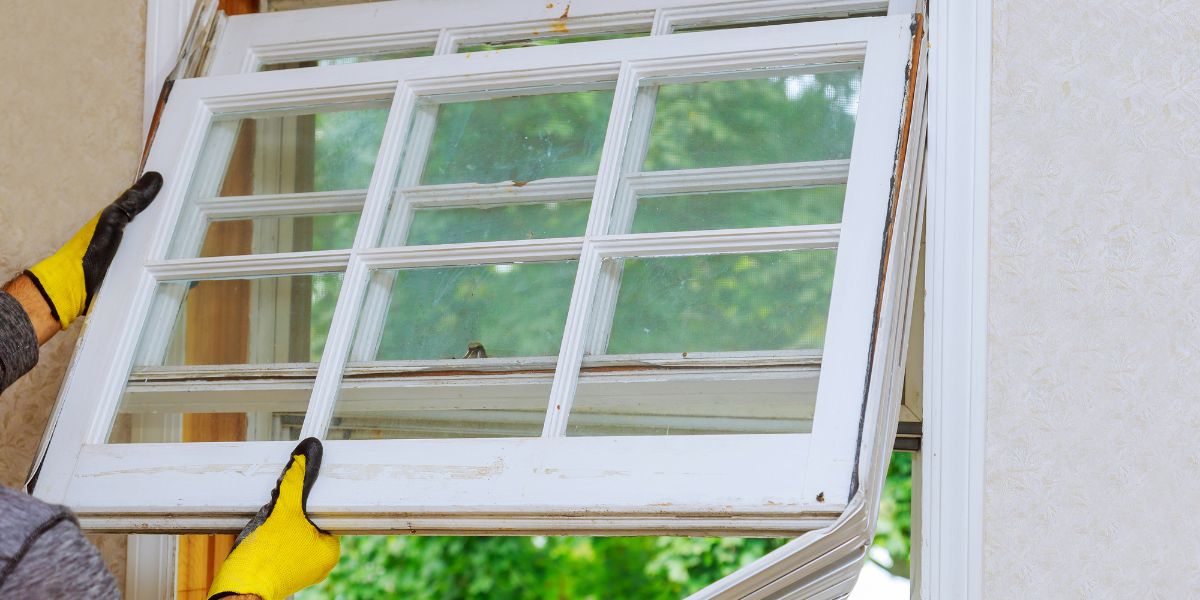
Person in yellow gloves removing an old window frame from a wall.

How to Tell If Windows Need Replacing

To determine if it’s time to replace your windows, conduct a simple inspection:

  • Visible Damage: Look for cracked frames, broken glass, or rotting wood. Damaged frames can compromise the structural integrity of your windows, leading to further issues.
  • Temperature Differences: Feel for temperature changes around your windows. The insulation may fail if the area feels significantly colder or warmer than the rest of the room. Poor insulation affects comfort and puts additional strain on your heating and cooling systems.

If you notice these issues, it’s time to consider getting a quote to understand your options and costs. Replacing problematic windows sooner rather than later can prevent more extensive damage to your home’s structure and save you money on energy bills.

When Should You Replace Your Home’s Windows?

Timing is essential when it comes to replacing windows. You should consider a replacement if:

  • Your Windows Are Over 15-20 Years Old: Many window types have a 15-20-year lifespan. After this point, performance tends to decline. Older windows may also need modern features that improve energy efficiency and home security.
  • You Are Renovating Your Home: If you’re doing a significant renovation, it’s a good opportunity to replace your windows for better energy efficiency and aesthetics. New windows can complement other upgrades, enhance curb appeal, and increase the overall value of your home.
  • Seasonal Considerations: Spring and fall are ideal for window replacement, as moderate temperatures make it easier for contractors to install windows without extreme weather conditions. Replacing windows during these times also helps ensure your home remains comfortable throughout the process.

Benefits of Window Replacement

Replacing your windows provides several key benefits:

  • Lower Energy Bills: Energy-efficient windows can significantly reduce heating and cooling costs. Maintaining a consistent indoor temperature means your HVAC system can work less hard, lowering utility bills and reducing wear and tear on your heating and cooling equipment.
  • Increased Property Value: New windows are a strong selling point and can boost your home’s market value. Prospective buyers are often willing to pay more for a home with energy-efficient, aesthetically pleasing windows in place, as it means they won’t have to make these upgrades themselves.
  • Improved Comfort: New windows prevent drafts and help maintain a consistent temperature throughout your home, improving overall comfort. Modern windows also often come with UV protection, which helps prevent fading of furniture, flooring, and decor.
  • Enhanced Security: Modern windows are built with more robust materials and improved locking mechanisms, providing better home security. Replacing old windows can help protect your family and belongings.
  • Better Curb Appeal: Replacing old, worn-out windows with new, stylish designs can dramatically improve the look of your home. First impressions are crucial to potential buyers.
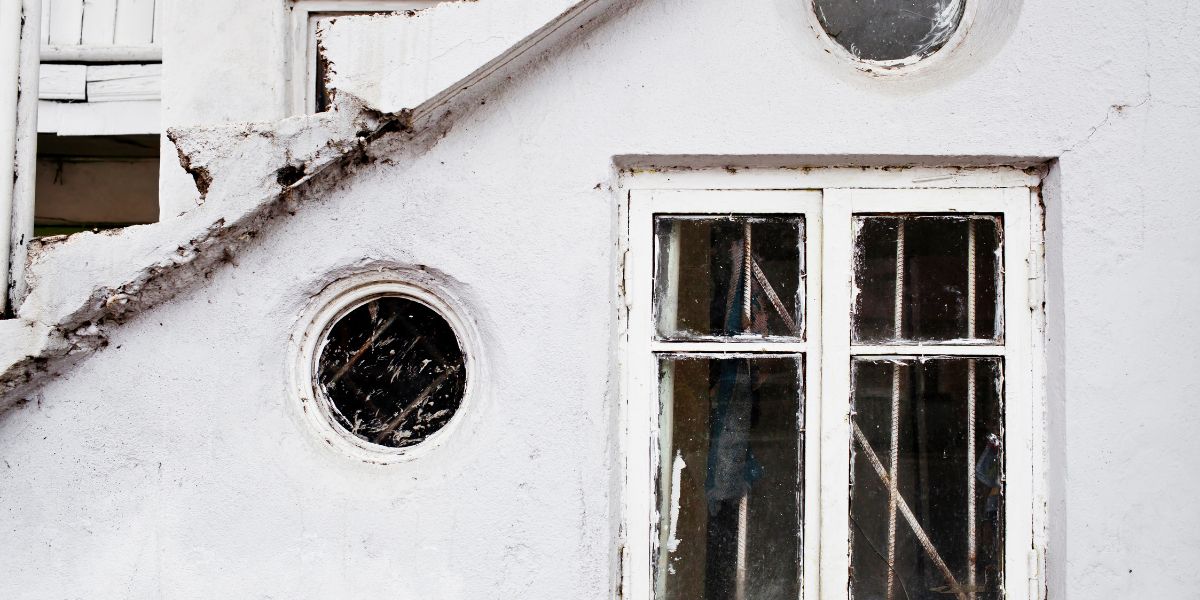
Exterior of a building with two round and one rectangular, weathered windows.

FAQ: Common Questions About Window Replacement

How much does window replacement cost?
The cost varies widely depending on the materials, size of the windows, and type of installation. Consider requesting a window replacement quote from a trusted contractor for an accurate estimate. On average, homeowners can expect to pay between $300 and $1,000 per window, including installation.

Can I replace my windows myself?
While some homeowners opt for DIY window replacement, it’s often better to hire a professional to ensure proper installation and maximize energy efficiency and longevity. Improper installation can lead to air leaks, water damage, and reduced energy performance, ultimately costing more in the long run.

How long does window replacement take?
Typically, window replacement takes one to two days for an average-sized home, depending on the number of windows and weather conditions. Professional installers can often replace several windows daily, minimizing disruption to your daily routine. Larger projects or custom windows may take longer, but your contractor can provide a more precise timeline.

What types of windows are the most energy-efficient?
Double-pane and triple-pane windows with Low-E (low-emissivity) glass are among the most energy-efficient options. These windows have coatings that reflect infrared light, keeping heat inside during winter and outside during summer. Additionally, gas fills like argon or krypton between panes further enhance insulation.

How do I maintain my new windows?
Regularly clean the glass, frames, and hardware to keep your windows in good condition. Lubricate the tracks and hinges to ensure smooth operation. Inspect seals annually and replace any that are damaged to maintain energy efficiency.

If you’re experiencing drafts, high energy bills, or difficulty operating your windows, it may be time to consider a replacement. New windows improve your home’s efficiency, comfort, and value. They also enhance your home’s security and curb appeal, making them a worthwhile investment. Ready to take the next step? Get a quote today and see how new windows can make a difference in your home.

Ways to Save Money When Selling Your House

Selling your house can be a costly endeavor, but there are effective strategies to minimize those expenses. One of the best ways to save money when selling your house is by using a discount real estate agent. These agents offer lower commission rates while still providing essential services to help you sell your home. By making smart choices, you can keep more of your hard-earned money in your pocket.

In addition to considering a discount real estate agent, it’s important to understand the various costs associated with selling. Typical expenses include not only the agent’s commission but also closing costs, repairs, and marketing fees. Being aware of these costs allows homeowners to plan effectively and identify areas where they can cut back. By implementing a few strategic measures, you can significantly reduce your financial burden during the selling process. 

Understanding Selling Costs

When selling your house, it’s essential to understand the various costs that can impact your overall profit. The most significant expense is typically the real estate agent’s commission, which can range from 5% to 6% of the sale price. This fee is usually split between the seller’s agent and the buyer’s agent, so it’s crucial to factor this into your calculations.

In addition to commissions, homeowners should be aware of closing costs, which can add another 2% to 5% of the sale price to your expenses. These costs often include title insurance, appraisal fees, and attorney fees. Furthermore, necessary repairs and improvements can also eat into your profits. It’s common for buyers to request repairs after a home inspection, so budgeting for these potential costs is wise.

By understanding these expenses, you can better prepare for the financial aspects of selling your home. This knowledge will allow you to make informed decisions and identify areas where you can save money, ultimately ensuring a smoother selling process.

Tips to Save Money When Selling

Utilize a Discount Real Estate Agent

One of the most effective ways to save money when selling your house is to work with a discount real estate agent. These agents typically charge lower commission rates compared to traditional real estate agents, allowing you to retain more of your sale proceeds. While the standard commission is around 5% to 6%, discount agents may offer rates as low as 1% to 3%, or even a flat fee.

Despite the lower cost, discount agents still provide essential services to help you successfully sell your home. They usually list your property on the Multiple Listing Service (MLS), market it, and assist with negotiations. However, it’s crucial to understand the specific services included in the lower commission rate. Some discount agents may offer limited support, so it’s important to clarify what services you will receive and what you’ll need to handle on your own.

Choosing the right discount real estate agent involves doing your research. Look for agents with good reviews and a strong track record in your local market. By making an informed choice, you can benefit from reduced costs while still getting the support you need to sell your home effectively.

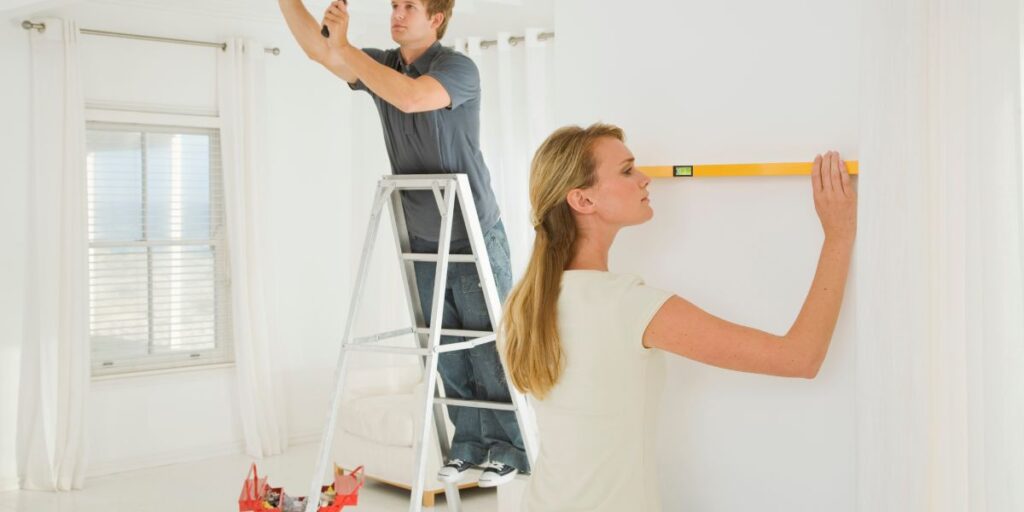
diy home repair couple

DIY Repairs and Staging

Save money when selling your house by handling repairs and staging yourself. Tackle minor repairs like painting, fixing leaky faucets, and replacing light fixtures to avoid labor costs. Effective staging, such as decluttering, rearranging furniture, and enhancing curb appeal, can attract buyers without additional expenses. Use your existing furniture and décor to showcase your home’s potential.

Thorough cleaning and adding fresh flowers or plants can create a welcoming ambiance. These small touches can make a lasting impression on potential buyers, leading to a quicker sale at a better price. By taking a hands-on approach, you can save money while making your home more appealing to buyers.

Timing the Sale

Timing can play a crucial role in how much money you save when selling your house. Understanding the real estate market and choosing the right season to sell can help you maximize your sale price and minimize costs. Generally, spring and early summer are considered the best times to sell, as many buyers are looking for homes during this period.

Selling during peak seasons often results in higher demand, which can lead to multiple offers and a quicker sale. This reduces the time your home sits on the market, ultimately saving you money on ongoing expenses like mortgage payments, property taxes, and utilities. Additionally, a faster sale means less stress and uncertainty for you as a seller.

It’s also important to consider local market trends. Research recent sales in your neighborhood to identify when homes are selling for the best prices. If the market is experiencing a downturn, it might be wise to wait for a more favorable environment before listing your home. Consulting with a knowledgeable real estate agent can provide valuable insights into the best timing for your specific situation.

By strategically choosing when to sell, you can significantly impact your financial outcome and keep more money in your pocket.

Effective Marketing Strategies

Implementing effective marketing strategies is essential for attracting potential buyers and maximizing your sale price. In today’s digital age, a strong online presence is crucial. Invest in professional photography to showcase your home in the best light, as high-quality images can capture the attention of buyers browsing online listings. Additionally, utilize social media platforms like Facebook, Instagram, and Twitter to reach a wider audience. Engaging posts can generate interest and encourage shares, further expanding your reach. Don’t underestimate the power of word-of-mouth; ask friends and family to help spread the word about your sale.

Another effective strategy is to host open houses. These events allow potential buyers to experience your home in person, creating a stronger emotional connection. Ensure your home is well-staged for these events, highlighting its best features and creating an inviting atmosphere. Providing refreshments and informative brochures can also leave a positive impression on visitors. By combining professional marketing techniques with personal outreach, you can attract more buyers and potentially secure a higher sale price, ultimately saving you money during the selling process.

Negotiating Offers

Negotiating offers is a critical part of the home-selling process that can significantly impact your final sale price and overall profit. Once you start receiving offers, it’s essential to carefully evaluate each one, considering not just the price but also the terms and conditions attached to the offer. A higher offer might seem appealing, but if it comes with contingencies that could delay the sale or complicate the process, it may not be the best choice for you.

When negotiating, be prepared to counteroffer. This is your opportunity to communicate your expectations and needs. If an offer is lower than your asking price, consider providing a counteroffer that reflects a price you are willing to accept. It’s important to remain flexible and open to negotiation, as this can lead to a better deal for both parties.

Additionally, consider the buyer’s financial situation. Offers from buyers who are pre-approved for a mortgage or are making cash offers can be more attractive, as they often indicate a smoother closing process. Be sure to ask for proof of financing, as this can help you gauge the seriousness and reliability of the buyer.

Effective negotiation can lead to a successful sale that meets your financial goals, so don’t hesitate to advocate for yourself while also being fair to potential buyers.

Understanding Closing Costs

When selling your home, understanding closing costs is essential to avoid surprises and effectively budget for the transaction. Closing costs typically range from 2% to 5% of the final sale price and can include various fees such as title insurance, appraisal fees, attorney fees, and transfer taxes. Being aware of these costs upfront allows you to factor them into your planning.

One common expense is title insurance, which protects against any issues that may arise with the property’s title. This cost can vary depending on the property’s location and sale price. Additionally, you may need to pay for an appraisal to determine the home’s market value, especially if the buyer is financing the purchase. This fee is usually borne by the seller, and it’s important to ensure that the appraisal aligns with your asking price.

Another cost to consider is the settlement or closing fee, charged by the title company for facilitating the transaction. It’s wise to carefully review your closing disclosure document before the closing date, as it outlines all the costs you are responsible for.

By understanding and preparing for closing costs, you can minimize the financial impact of selling your home and ensure a smoother transaction overall.

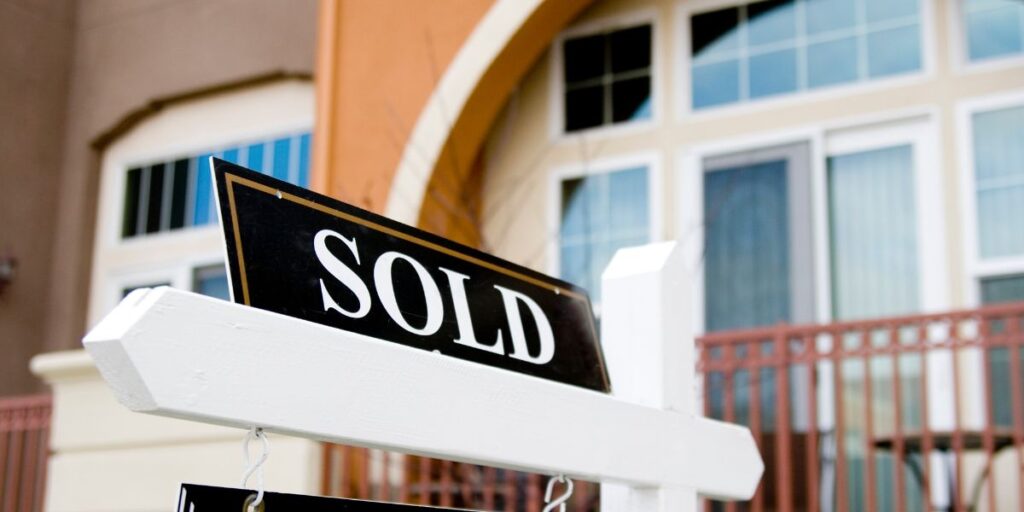
sold sign on house

Maximize Your Profits: Key Takeaways for a Cost-Effective Home Sale


In summary, selling your home doesn’t have to be a costly endeavor. By employing strategies like working with a discount real estate agent, handling DIY repairs, and understanding your market, you can significantly reduce your expenses and keep more of your hard-earned money. Furthermore, being proactive in negotiations and aware of closing costs will ensure a smoother selling process. 

By combining these ways to save money when selling your house with thorough preparation and careful planning, you can navigate the selling journey effectively. Whether it’s negotiating offers, understanding the intricacies of closing costs, or simply presenting your home in the best possible light, each step you take will contribute to a successful and financially rewarding sale. With the right approach, you can achieve your selling goals while minimizing stress and financial outlay.

How to build my house more energy efficient?

Energy Efficient Homes can save you money and help protect the environment. A home that is more energy efficient helps your family reduce the cost of energy bills. Even if you’re not paying too much, you should still consider saving. There are several different ways to make an energy efficient house, but not all of these are suited for all climates or housing needs. These must-haves for energy efficient homes work well regardless of where you live, helping you reach a net zero energy house in no time.

Spray Foam Insulation

Spray foam insulation is one of the best products for insulating your home and keeping it warm or cold. This type of insulation not only keeps your home cool and cozy, but also keeps the elements outside, such as wind and rain out. The product is actually made from two different materials, polyols and isocyanates, that react when mixed together and expand to more than 30-60% of their original volume once they are sprayed in an area. Once this happens, the product becomes a foam that fills whatever is placed inside it. This makes it perfect for sealing in areas around your home, especially in places where air movement would cause movement in the materials.

Because of the amazing ability of this product, there are many places in the house where spray foam insulation can be effective. These areas include in cracks, crevices, corners, under sinks, bathrooms, in ceilings, walls and floor cracks, in the attic, and in basements. Even though it can be used anywhere you see a crack, crevice, or moisture, it is most often used around the foundations of the home. Spray foam insulation can seal up cracks and crevices, but it also acts as a vapor barrier to keep out cold and heat, and acts as a protective layer against corrosion and rust. This means that it works great in areas that would otherwise be prone to damage caused by moisture leaking into the home. When properly installed, you can enjoy all these benefits for years to come.

Windows

Adding energy efficient windows to your home can also make a substantial difference. Double glazed windows are expensive, but pay off big when it comes to lowering energy bills. Over the years, double glazing has made homes more energy efficient than ever before, lowering the amount of heat lost through your windows. While this step alone isn’t enough, it does help in many ways. Another kind of window to think about are skylights. While we can’t always control the sun’s rays, we can greatly increase our chances of beating it at its own game. Energy efficient skylights are a great way to do this, providing natural light to your home throughout the day. Homes in colder climates, such as Canada, could even benefit from the heat the light brings in. Energy Efficient homes naturally benefit from high levels of sunlight because increased sun exposure means less need for lighting throughout the day.

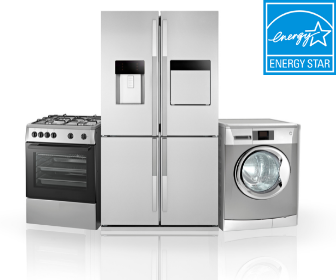
Energy Efficient Appliances

A quality energy efficient home plan encompasses energy-efficient appliances, building materials and building structures that are constructed with high energy-efficiency levels. The primary focus of this kind of planning is to decrease energy requirements through energy-efficient construction practices and renovation of structures. Energy Efficient Homes reduces unnecessary energy demand, greenhouse gases, global warming, and environmental pollution. They also provide homeowners significant cost savings over traditional constructed homes and provide them with healthier living conditions.

Energy Star

A house is considered to be an energy efficient home when it meets the Energy Star qualifications of the United States Department of Energy. Energy Star Qualified homes do not only offer energy efficiency upgrades for existing homes, but they also help families lower their energy bills and save money on their utility bills as well. To qualify for Energy Star Home, a home should have at least an average amount of energy usage per year and the energy efficiency performance level of its heating, ventilation, and air-conditioning systems should meet the guidelines set forth by the US Department of Energy. A house with a combination of state-of-the-art appliances that work together to create an energy-efficient home can also qualify for Energy Star status. Energy Star appliances include built-in and appliance boilers, natural gas and electricity hook ups, water heaters, refrigerator and floor heating systems, electric panels, high-efficiency fluorescent bulbs, low energy lighting, geothermal and photovoltaic, hot water systems and low energy computers.

Most energy efficient homes have installed energy-saving appliances that are energy efficient, provide sufficient hot water, cool air conditioning, provide adequate insulation, and have the most current energy saving technology. The amount of electricity you use in a day, in a month or in a year depends on the use of energy systems that convert energy to electricity. Energy efficiency can also be measured in kilowatt hours per unit or CWh. An Energy Star home uses at least a minimum of a CWh/yr of electricity and has a rating on the energy efficiency scale that is related to the cost of replacement of energy systems over a period of time.

Let’s Talk About Mahagony, Banff Trail & Varsity Calgary

The community of Mahogany which is located in the Southeast portion of the province of Calgary is one of their popular lake communities. Mahogany is one of the newer communities in Calgary has an amazing selection of homes ranging from detached bungalows, single family homes, condominiums, and townhomes. This community has 70 active houses for sale in Mahogany with an average price of $585,027 and has 57 active condo units and/or townhomes with an average price of $527,650. In 2019, a total of 174 single family homes were sold in the market in 109 days. The average price for these single family homes were $548,882. In 2019, 65 townhomes and/or condos were sold within an average of 105 days and an average price of $435,629. Most of these real estate properties were built in 2016 and have an average size of 1,524.

Banff Trail, Calgary

Known as one of the highly sought-after inner-city neighborhoods situated in Calgary, Banff Trail has a great variety of houses to offer from. Ranging from affordable townhomes, high-rise condominiums, detached 1950s bungalows, land in-fills, and spacious single family homes. Young families and professionals prefer this neighborhood as it is located near famous amenities and transportation systems such as the C-Train LRT system and trails such as Crowchild and Banff Trail. There were 28 single family private homes for sale in Banff Trail in 2019 at an average cost of $636,442. Land in Banff Trail is consistently sought after and the Average Days on Market (DOM) for homes in Banff Trail was 49 days. There were 4 townhouse deals in Banff Trail which sold for $484,750 and they took a normal of 50 days to sell. There are 13 active houses with an average price of $713,015 and 3 active condo/townhomes in the area with an average price of $339,233 and with an average size of 1,453.

Varsity is a vibrant and easily accessible neighborhood in the northwest quadrant of Calgary. This community was originally three different neighborhoods namely Varsity Village, Varsity Acres, and Varsity Estates but it was made into one popularly known as just Varsity. This community also offers one too many reasons for buying a real estate property in the area. One of the top reasons is the great transportation system of the community such as Shaganappi Trail and Crowfoot trail that is nearby Varsity which allows residents to go to nearby amenities easily. Downsizing has been a trend nowadays and Varsity is an ideal place to check out especially the new Groves of Varsity and Chateau on the Green. This community is one of the top choices of the medical community since it is close to the Foothills Hospital and Alberta Children’s Hospital. In 2019, homes for sale in Varsity had an average days on market of 43 days, there were about 86 single family homes sold with an average price of $689,293. Varsity also has 76 condo and townhomes that were sold in 2019 with an average price of $321,018.

Get It Right! Bathroom Renos Done Right.

Straightforward bath room or haven? The one challenge is that yours is perhaps not giving off the vibe you see for this in-home getaway. It is renovation time!

It’s certainly a large venture to take on, however it is nothing you can not manage on your own. Don’t believe me? Let me show you how with these 6 simple to follow tips.

Know Your Figures

Whether it is large or small, a person ought to continually make certain that you have enough money prior to embarking on any property makeover endeavor. With medium expenses starting from 10k as much as and even over, 23k, you’ve got to prepare in advance. Make sure you can pay for everything you envision before diving in.

Still hold just a second. Are you considering moving in the near future? It’s possible that you need to reconsider the redesign perhaps. If though it helps the price of your property you will want to do it. Home buyers do consider two spaces in your house when appraising a house. A great kitchen, bathroom or both, can easily improve home price as well as allure.

Money: What Goes Where?

Whenever you decide to go ahead with your redesign goals as well as make a decision on an general amount you can spend, you should take a moment and ascertain where every single cent will go. Quite often, you can bet that labor will set you back about a third of the funding.

Then, you’re able to decide what you must include and what you’re able to trim if cash is tight. In most cases, it is best to get rid of lavish extras if money’s tight—you will definitely need new floor tile, but you won’t need a vapor shower.

Search Hard for Inspiration

Men probably not take just as much time getting prepared in the morning as women however that reality is at the very least both men and women spend a minimum of 15-20 minutes every morning getting prepared. And as a result – you spend lots of time in there – you ought to make it the way you need it. Awesome.

Generally there are many of very good info on the web where by you will be able to see awesome design concepts. Head out and get some inspiration. Start with sites including Pinterest and Instagram. However you’ll potentially see all varieties of great design ideas, often they are pricey and out of your budget. Simply find the nugget ideas that you can afford and cherrypick these.

Think Ahead And Be Prepared!

Think before you do anything! Just think of it. Should your bathroom makeover needs you to basically strip the room down to nothing rendering it not usable will you go in the meanwhile? It goes without saying, still you need to figure this out before you get in to your redesign project.

If you have some other bath room in the house, you’re lucky Normally, you may have to arrange with a neighbor to use their facilities when needed or stay with a loved one for a few days whilst the water’s off. One more very good idea is to just pick up a portable toilet to have on-site during remodeling. No matter what, have this plan in place before you’re in desperate need of a bath room and have nowhere to go.

Consider The Specifics in your Budget

It could go without saying, however you’ll want to also know the particulars of how you’re going to manage the expenses of your overhaul and any additional charges that could arise in the project. Virtually any financial institution will lend money for residential renovation projects and yet they also need an itemized report of your bills and budget.

You shouldn’t stress, you will find lots of choices to choose from for funding your household remodeling job. You may well be able to take out a mortgage or even use the money you’ve saved over the years. Just be sure you have everything in order and that you’re stable in the financing department. There’s nothing like making plans then the unexpected happens like having to replace a boiler in Drayton Valley under harsh conditions as seen there in winter months.

Stick to the Road Map of your Project

Now and again you will want to come back around and cite both your budget and your original plan in order to assure that you are on the right track. Stick to your original budget/plan and you are going to be well on your way to a rewarding bath-room remodel.Going off the rails with respect to your plan and budget can’t just be pricey but adds time to your bath room renovation. Then again it’s up to you to follow the outline and make the job as easy as possible. After all is said and done and its all over with, you can easily just sit back, light a jasmine candle and enjoy your new happy place.

While Focused on Local Clients, Realtors Must Not Forget About the International Buyer

As real-estate becomes more globally with the increased transparentness and power of the constantly evolving world wide web, realtors have vast business opportunities to capture valuable international, long distance business that they didn’t in the past have access to.

The business of dealing international real estate is on the rise, largely as a consequence of the connectivity of our society and the Internet.

Given the statistics from 2017 we understand that foreign real estate buyers accounted for over $153 billion of the entire purchases in the USA which subsequently is an increase of the former year of a massive fifty percent. Likewise this signifies 10% among all domestic real estate transactions in the U.S.. All data in this article sourced from NAR (National Association of Realtors) and are deemed to be accurate.

By far the most promising facet to dealing with international buyers, from the real estate agent’s perspective, is transactions involving an international client commonly return more substantial commissions. Along with the reality that many international investors are well-off wealthy elites searching for fruitful investments as well as high-end luxurious 2nd or getaway properties.

And yet incorporating the international investor to your repertoire probably will not be as easy as finding them can be complicated.

The greatest difference in between working with the national populous in contrast to internationally, would be the language barrier. However many foreign clients pay people to breakdown the language barrier when seriously interested in investment in another country.

China dominates the headlines all over the world when it comes to international business and in real estate this runs specifically true given the data shows that of the complete sales volume in the USA to international traders, China has 50% of that. All irrespective of barriers including language and social distinctions.

With such a highly profitable marketplace in existence, how do you break in to it?

CPROP’s end-to-end digital transaction administration platform is made to present real estate brokers to international leads and help them safely and transparently close deals. Many realtors claims blockchain technology and digital currency is the future and that she’s seen a steady rise in it being used in real estate transactions.

The short answer is that it involves technology that facilitates interaction and connects a group of proven companies to collaborate on ushering a deal from contact to close. We are going to present a couple of ways any commercial real estate agents might hedge in to this market sector.

Be part of a transparent international program

Hedging in on the international real estate industry is not straight forward for real estate brokers who have not ventured here before. Realtors interested in entering the market of dealing with international buyers and vendors should really think outside the box and search segments of the Web where these pocket communities may meet.

In the event that the platform boasts a company directory with unfiltered buyers ratings and reviews plus automated translations, better still.

Think confidence and safety

A long distance deal, particularly among parties in separate countries, is usually a formula for miscommunication and, in the worst cases, fraud.

Two remarkably important items to think about when involved in international real estate are security and trust. You will need to cover yourself and your client whilst maintaining the trust of the other party.

Blockchain has proven to be the quintessential secure way to electronically conduct transactions. Blockchain enables real estate contracts to generally be so significantly protected/encrypted that blocks any changes be undetected.

Moreover, brokers can make use of smart contracts to execute escrow, which provides a secure mechanism for home buyers to put up serious finances.

Find trusted, streamlined cooperation

One thing is closing sales within the country however it’s always a totally different thing when finalizing international transactions and these sales require far more care to ensure a smooth conclusion.

Are you aware of your transactions state in real-time, what is left to finish and who should next do what in the process?

Consider this though, as a real estate agent doing business in international transactions, wouldn’t it be helpful to have a SaaS tool that managed all the digital areas from start to finish for any kind of international real estate transaction? The upside to this expected future technology is how it would enhance the work-flow, ensure security and ease communications for real estate brokers of international real estate.

Tips for Picking a Mortgage Lender

Once you opt for a mortgage, the onetime cost gets cut down into many installments and you can select the plan of your liking. That way you only must pay your installments and minimal interest every month.

For many people around the globe, buying their homes is the most expensive thing they ever buy. Having a mortgage helps a lot in balancing your funds for you while you transact a large sum of money from your accounts over a certain period.

Choosing the best mortgage lending company does not mean going for the one that offers good interest rates. You’ll need to find the mortgage company having high professional standards and values. Keeping an eye on the following aspects might be of great help.

Look Around:
The best practice for picking your mortgage lender is to look around, meet different lenders and get to know their people, interest rate plans and more details of the loan they’ll be giving you.

Many people just go with what their real estate agent recommends, which isn’t a healthy approach. You should do your own research too.

Ask About Their Experiences:
You have every right to ask mortgage lenders a fair amount of questions before you make a decision. Ask them about their experience with first-time homebuyers and what are the statistics of the deals they have made?

Inquire about the loan they’ll be offering you and the stellar credit involved.
Present the situation your family is facing and ask their opinion on it. This should give you an idea of how experienced they are in dealing with people with different mindsets.

Check out the Lender’s Reviews:
What other people think of the lender is a great source of information to base your decision upon. Lender’s reviews will shed light on how they’ve treated their previous customers.

You may use Zillow, which contains a very large lender directory having thousands of lender’s reviews. Just type the name of the lender you’re interested in and get to know about their past work.

Get a First Impression:
The first impression of your lender is very important. Notice their behavior carefully upon meeting them for the first time.

See how they respond to your interest and how excited are they about your interest in their company.
What are the options they put in front of you? And how proactive are they in that discussion?