
Selling your house can be a costly endeavor, but there are effective strategies to minimize those expenses. One of the best ways to save money when selling your house is by using a discount real estate agent. These agents offer lower commission rates while still providing essential services to help you sell your home. By making smart choices, you can keep more of your hard-earned money in your pocket.
In addition to considering a discount real estate agent, it’s important to understand the various costs associated with selling. Typical expenses include not only the agent’s commission but also closing costs, repairs, and marketing fees. Being aware of these costs allows homeowners to plan effectively and identify areas where they can cut back. By implementing a few strategic measures, you can significantly reduce your financial burden during the selling process.
Understanding Selling Costs
When selling your house, it’s essential to understand the various costs that can impact your overall profit. The most significant expense is typically the real estate agent’s commission, which can range from 5% to 6% of the sale price. This fee is usually split between the seller’s agent and the buyer’s agent, so it’s crucial to factor this into your calculations.
In addition to commissions, homeowners should be aware of closing costs, which can add another 2% to 5% of the sale price to your expenses. These costs often include title insurance, appraisal fees, and attorney fees. Furthermore, necessary repairs and improvements can also eat into your profits. It’s common for buyers to request repairs after a home inspection, so budgeting for these potential costs is wise.
By understanding these expenses, you can better prepare for the financial aspects of selling your home. This knowledge will allow you to make informed decisions and identify areas where you can save money, ultimately ensuring a smoother selling process.
Tips to Save Money When Selling
Utilize a Discount Real Estate Agent
One of the most effective ways to save money when selling your house is to work with a discount real estate agent. These agents typically charge lower commission rates compared to traditional real estate agents, allowing you to retain more of your sale proceeds. While the standard commission is around 5% to 6%, discount agents may offer rates as low as 1% to 3%, or even a flat fee.
Despite the lower cost, discount agents still provide essential services to help you successfully sell your home. They usually list your property on the Multiple Listing Service (MLS), market it, and assist with negotiations. However, it’s crucial to understand the specific services included in the lower commission rate. Some discount agents may offer limited support, so it’s important to clarify what services you will receive and what you’ll need to handle on your own.
Choosing the right discount real estate agent involves doing your research. Look for agents with good reviews and a strong track record in your local market. By making an informed choice, you can benefit from reduced costs while still getting the support you need to sell your home effectively.

DIY Repairs and Staging
Save money when selling your house by handling repairs and staging yourself. Tackle minor repairs like painting, fixing leaky faucets, and replacing light fixtures to avoid labor costs. Effective staging, such as decluttering, rearranging furniture, and enhancing curb appeal, can attract buyers without additional expenses. Use your existing furniture and décor to showcase your home’s potential.
Thorough cleaning and adding fresh flowers or plants can create a welcoming ambiance. These small touches can make a lasting impression on potential buyers, leading to a quicker sale at a better price. By taking a hands-on approach, you can save money while making your home more appealing to buyers.
Timing the Sale
Timing can play a crucial role in how much money you save when selling your house. Understanding the real estate market and choosing the right season to sell can help you maximize your sale price and minimize costs. Generally, spring and early summer are considered the best times to sell, as many buyers are looking for homes during this period.
Selling during peak seasons often results in higher demand, which can lead to multiple offers and a quicker sale. This reduces the time your home sits on the market, ultimately saving you money on ongoing expenses like mortgage payments, property taxes, and utilities. Additionally, a faster sale means less stress and uncertainty for you as a seller.
It’s also important to consider local market trends. Research recent sales in your neighborhood to identify when homes are selling for the best prices. If the market is experiencing a downturn, it might be wise to wait for a more favorable environment before listing your home. Consulting with a knowledgeable real estate agent can provide valuable insights into the best timing for your specific situation.
By strategically choosing when to sell, you can significantly impact your financial outcome and keep more money in your pocket.
Effective Marketing Strategies
Implementing effective marketing strategies is essential for attracting potential buyers and maximizing your sale price. In today’s digital age, a strong online presence is crucial. Invest in professional photography to showcase your home in the best light, as high-quality images can capture the attention of buyers browsing online listings. Additionally, utilize social media platforms like Facebook, Instagram, and Twitter to reach a wider audience. Engaging posts can generate interest and encourage shares, further expanding your reach. Don’t underestimate the power of word-of-mouth; ask friends and family to help spread the word about your sale.
Another effective strategy is to host open houses. These events allow potential buyers to experience your home in person, creating a stronger emotional connection. Ensure your home is well-staged for these events, highlighting its best features and creating an inviting atmosphere. Providing refreshments and informative brochures can also leave a positive impression on visitors. By combining professional marketing techniques with personal outreach, you can attract more buyers and potentially secure a higher sale price, ultimately saving you money during the selling process.
Negotiating Offers
Negotiating offers is a critical part of the home-selling process that can significantly impact your final sale price and overall profit. Once you start receiving offers, it’s essential to carefully evaluate each one, considering not just the price but also the terms and conditions attached to the offer. A higher offer might seem appealing, but if it comes with contingencies that could delay the sale or complicate the process, it may not be the best choice for you.
When negotiating, be prepared to counteroffer. This is your opportunity to communicate your expectations and needs. If an offer is lower than your asking price, consider providing a counteroffer that reflects a price you are willing to accept. It’s important to remain flexible and open to negotiation, as this can lead to a better deal for both parties.
Additionally, consider the buyer’s financial situation. Offers from buyers who are pre-approved for a mortgage or are making cash offers can be more attractive, as they often indicate a smoother closing process. Be sure to ask for proof of financing, as this can help you gauge the seriousness and reliability of the buyer.
Effective negotiation can lead to a successful sale that meets your financial goals, so don’t hesitate to advocate for yourself while also being fair to potential buyers.
Understanding Closing Costs
When selling your home, understanding closing costs is essential to avoid surprises and effectively budget for the transaction. Closing costs typically range from 2% to 5% of the final sale price and can include various fees such as title insurance, appraisal fees, attorney fees, and transfer taxes. Being aware of these costs upfront allows you to factor them into your planning.
One common expense is title insurance, which protects against any issues that may arise with the property’s title. This cost can vary depending on the property’s location and sale price. Additionally, you may need to pay for an appraisal to determine the home’s market value, especially if the buyer is financing the purchase. This fee is usually borne by the seller, and it’s important to ensure that the appraisal aligns with your asking price.
Another cost to consider is the settlement or closing fee, charged by the title company for facilitating the transaction. It’s wise to carefully review your closing disclosure document before the closing date, as it outlines all the costs you are responsible for.
By understanding and preparing for closing costs, you can minimize the financial impact of selling your home and ensure a smoother transaction overall.
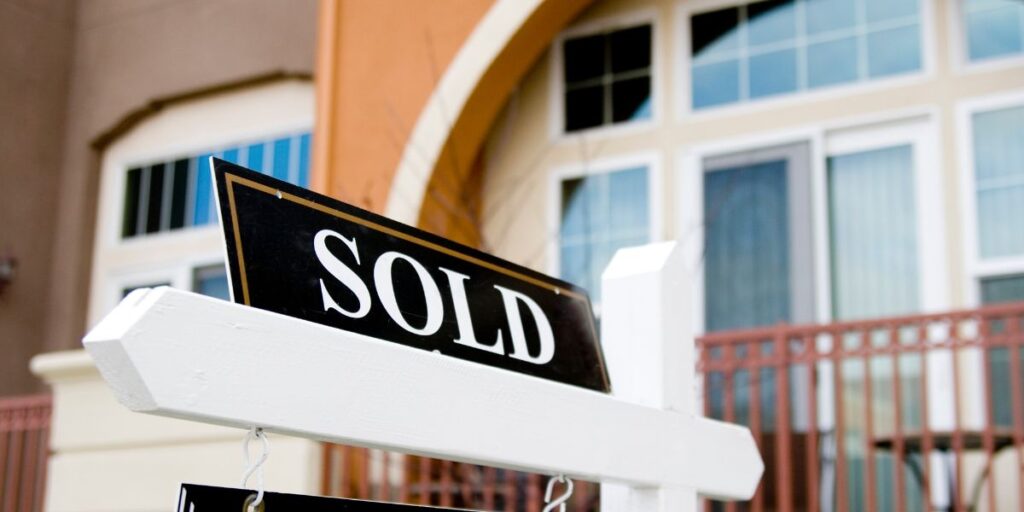
Maximize Your Profits: Key Takeaways for a Cost-Effective Home Sale
In summary, selling your home doesn’t have to be a costly endeavor. By employing strategies like working with a discount real estate agent, handling DIY repairs, and understanding your market, you can significantly reduce your expenses and keep more of your hard-earned money. Furthermore, being proactive in negotiations and aware of closing costs will ensure a smoother selling process.
By combining these ways to save money when selling your house with thorough preparation and careful planning, you can navigate the selling journey effectively. Whether it’s negotiating offers, understanding the intricacies of closing costs, or simply presenting your home in the best possible light, each step you take will contribute to a successful and financially rewarding sale. With the right approach, you can achieve your selling goals while minimizing stress and financial outlay.