We are the prime choice of the people when it comes to the assistance they need so they can finance their homes.

Welcome to Save on Homes!
Posted on
Real Estate Agency

We are the prime choice of the people when it comes to the assistance they need so they can finance their homes.

We provide flexibility to homeowners is the reason why we are considered the best and the most reasonable choice of the public.
Imagine this: your home has been on the market for weeks. The initial flurry of showings has slowed to a trickle, and the feedback from potential buyers is becoming frustratingly consistent: “The house is great, but…” That single word hangs in the air, representing the invisible barrier between you and a signed contract. As real estate professionals, we provide high-value expertise to help sellers navigate these challenges, and we know that the “but” is often a major, costly component like an old roof.
For a buyer, an aging roof isn’t just a cosmetic flaw; it’s a five-figure problem they see looming in their immediate future. It represents uncertainty, hassle, and a significant, unplanned expense right after making the biggest purchase of their lives. This article moves beyond simple opinion and anecdotal evidence. We will provide statistical proof and exclusive Realtor insights to demonstrate how strategically investing in a new roof reduces a home’s time on the market, protects your asking price, and paves the way for a smoother, more profitable sale.
To sell your home effectively, you need to think like a buyer. From their point of view, a 15- or 20-year-old roof isn’t a charming feature—it’s a liability. Here’s a breakdown of the psychology that makes an old roof a deal-breaker.
When a buyer sees worn, curling, or moss-covered shingles, their mind doesn’t calculate the precise cost of a replacement. Instead, it jumps to a worst-case scenario. They overestimate the price and the hassle involved. This triggers immediate financial anxiety and a cascade of questions:
This uncertainty is often enough to make them walk away entirely, rather than commissioning inspections to find the answers. They simply move on to the next listing that doesn’t present such a glaring and expensive question mark.
In today’s market, the term “move-in ready” is golden. Buyers, particularly millennials who make up the largest share of homebuyers, are often balancing busy careers and young families. They want to unpack their boxes and start their new lives, not manage a major construction project.
An old roof instantly strips a home of its “move-in ready” status. It signals that the house requires immediate, significant work. This dramatically shrinks your pool of potential buyers to only those willing to take on a renovation project, who will invariably expect a steep discount for their trouble.
As a seasoned Realtor, I can tell you that an old roof is a guaranteed point of contention on the home inspection report. It’s one of the first things an inspector scrutinizes, and any noted defects become powerful leverage for the buyer. This predictably leads to one of three outcomes:
Furthermore, the insurance landscape has become increasingly difficult. Many insurance companies are refusing to write new policies for homes with roofs over 15-20 years old, or they are charging exorbitant premiums. If a buyer can’t get affordable insurance, they can’t get a mortgage. This can kill a deal in the final stages, a truly frustrating experience for any seller. A new roof can actually save you money on both energy and insurance, a fact that makes it a powerful selling point.
Sellers are understandably concerned about the upfront cost of a roof replacement. But the data shows that the cost of not replacing an old roof is often far greater.
While a single, universal statistic for reducing “Days on Market” is hard to pin down across all markets, the data on why deals fall apart is crystal clear. According to the National Association of Realtors® (NAR) Confidence Index Survey, approximately 9% of contract terminations are due to issues revealed during the home inspection. The roof is consistently one of the top and most expensive problems found.
The Proof: By replacing an end-of-life roof, you eliminate one of the most common and significant reasons for a deal to collapse. This doesn’t just reduce your time on the market; it dramatically increases the certainty of closing on schedule and without last-minute drama.
An old roof is a buyer’s number one negotiation tool. They will use it to justify a lowball offer or demand huge concessions after the inspection. Sellers often find themselves backed into a corner, forced to give a credit that is far more than the roof would have cost.
The Proof: Real estate agents consistently report that buyers often request 1.5x to 2x the estimated cost of a repair to account for the hassle factor. If a new roof costs $15,000, a buyer might demand a $20,000-$25,000 price reduction. By proactively replacing the roof, you control the cost and the narrative, protecting your home’s value from these aggressive negotiation tactics.
The most common question from sellers is, “Will I get my money back?” The direct financial return is strong, but the true ROI is even more compelling.
The Proof: According to the respected 2023 Remodeling “Cost vs. Value” Report, a new asphalt shingle roof replacement recoups an average of 61.1% of its cost in immediate resale value. However, this number is just the beginning. It doesn’t factor in the thousands of dollars you save by:
When you add these financial benefits, the true ROI of a new roof becomes one of the smartest pre-listing investments you can make.
The statistics tell one part of the story. Our experience working with buyers and sellers every day tells the rest. Here’s what we see happening on the ground.
A new roof with a transferable warranty is one of the most powerful confidence-builders you can offer a buyer. It communicates that your home has been well-maintained and is a safe, secure investment. You are proactively removing their single biggest fear before they even have a chance to voice it. This peace of mind is invaluable and sets your home apart from the competition.
A new roof isn’t just a repair; it’s a premier marketing feature. As your Realtor, we leverage it to create immediate interest and justify your asking price. You’ll see it highlighted in the very first line of the MLS property description:
“WORRY-FREE LIVING with a BRAND NEW ROOF (Installed 2024) and Transferable Warranty!”
We make it a centerpiece of online ads, professional brochures, and our talking points during showings and open houses. It becomes the anchor for the home’s overall quality and value, a strategy you can explore further by looking at how various properties are categorized and tagged.
With a new roof, you’ve taken the buyer’s biggest piece of leverage off the table. The entire tone of the negotiation shifts. Instead of a defensive conversation focused on defects and repair costs (“what’s wrong with the house”), it becomes a positive conversation about features and lifestyle (“what’s great about the house”). You maintain control and negotiate from a position of strength.
Not every roof needs a full replacement. The key is to make a strategic decision based on a professional assessment.
A professional evaluation is always the best first step. However, here are some general guidelines:
Our team of experts can help you navigate these choices.
If you decide to replace the roof, the goal is to appeal to the widest possible pool of buyers.
The evidence is clear. An old, worn-out roof is a major deterrent that stops buyers in their tracks, slows down sales, and invites costly, lowball offers. It creates a cloud of uncertainty that can stall your sale for months.
The statistical proof is compelling, and our Realtor insights from the front lines confirm it every day: a new roof is one of the most effective, high-impact investments you can make to reduce your home’s time on the market and secure the best possible price. It transforms your property’s biggest potential liability into one of its strongest assets.
Don’t let your sale stall because of an old roof. To get a professional assessment and understand how a smart home improvement can position your property for a quick and profitable sale, connect with the experts at saveonhomes.ca today. Explore our full range of resources and pages to get started.
Imagine this: you’ve scheduled an open house for a stunning property. You’ve marketed it perfectly, and a stream of eager potential buyers arrives right on time. But when the first person tries the door, it’s jammed. They jiggle the handle, push a little, then give up in frustration and walk away. The next person does the same. In the digital world, this is happening on your real estate website every single day. That “jammed door” is poor page speed.
As a real estate professional, you’ve invested significant resources into a beautiful website designed to showcase listings and capture leads. Yet, you see visitors arrive and then “bounce”—leaving almost immediately without contacting you or exploring properties. You know something is wrong, but the technical jargon feels impenetrable. What is a “Core Web Vital,” and how could it possibly affect your commission?
This is where expert insight becomes crucial. We’re here to provide a clear, no-nonsense breakdown of why this happens, specifically for data-intensive real estate websites, and what these technical terms actually mean for your bottom line. A fast, responsive website isn’t a luxury or a nice-to-have feature; it’s the fundamental requirement for converting online traffic into real-world clients, and mastering Core Web Vitals is the key to unlocking that potential.
Before we dive into the solutions, we must first understand the root of the problem. Nearly every successful real estate website is built around an IDX feed, and that technology, while essential, comes with significant performance baggage.
Think of the Internet Data Exchange (IDX) as the technology that creates a direct, constantly updating pipeline from your local Multiple Listing Service (MLS) to your personal website. It’s the magic that allows you to display all active listings in your market—not just your own—on your domain. This transforms your site from a simple brochure into a powerful, comprehensive property search tool for potential buyers.
This pipeline is incredibly powerful, but it’s also incredibly demanding. The term “IDX-heavy” refers to the sheer volume and complexity of the data being pulled through that pipeline, which is the primary reason real estate websites struggle with speed. Here’s what makes it so heavy:
This combination of a massive database, a flood of large images, and reliance on external code is the perfect storm for poor performance. It’s why a generic “speed up your website” guide often fails to make a dent for real estate agents.
Don’t let the acronyms intimidate you. Core Web Vitals are simply Google’s way of measuring the actual experience a visitor has on your website. Google wants to send its users to pages that are helpful and easy to use, so it rewards sites that provide a great experience with higher search rankings. For your business, a better experience means more traffic and more leads.
Understanding the problem is the first step. Now, let’s shift to the high-level, expert-recommended solutions that demonstrate how a technically sound strategy can transform your site’s performance.
Images are the lifeblood of real estate, but they are also the single biggest contributor to slow page loads. The solution isn’t to use fewer images; it’s to be smarter about how you deliver them.
Every time a new person visits your site, your server has to do a lot of work to build the page. Caching is a way to reduce that work.
Not all IDX solutions are created equal. Some are notoriously slow, bloated with unnecessary code, and built on outdated technology that will hamstring your site’s performance no matter what else you do.
Every extra feature you add to your site—a fancy pop-up, a live chatbot, multiple analytics trackers—adds another script that has to be loaded. Each script is another potential bottleneck.

Let’s connect the dots. These technical improvements are not just about pleasing Google’s algorithms; they are about directly impacting your business goals and growing your income.
Google has been explicit: Core Web Vitals are a direct ranking factor. A site that passes the CWV assessment will, all else being equal, outrank a slower competitor. This means when a potential client searches for “homes for sale in [your city],” your website is more likely to appear on the first page, capturing the most valuable organic traffic. As search evolves, understanding how to dominate local AI search will be even more critical, and a fast, technically sound website is the foundation.
A fast and stable user experience is an engaging one. When pages load instantly and interactive elements respond immediately, users are encouraged to stay longer. They will view more properties, explore more neighborhoods, and become more familiar with your brand. This extended engagement builds the trust necessary for them to take the next step.
This is the ultimate goal. A seamless journey from a Google search, to a listing page, to your contact form is the key to conversion. By eliminating the frustration of slow load times, clunky interactions, and jumping layouts, you remove the barriers that stand between a curious visitor and a qualified lead. More form submissions and more phone calls translate directly to more clients and more commissions.
Page speed and Core Web Vitals are not abstract concepts for your IT department; they are critical business metrics for any modern real estate professional. Your website is your 24/7 open house, and its performance determines whether visitors feel welcomed or are turned away by a jammed digital door.
Optimizing an IDX-heavy website is a complex, specialized task that requires deep technical expertise. It’s about more than just installing a plugin; it’s about a holistic strategy that addresses images, code, servers, and third-party providers.
Feeling overwhelmed? It’s a lot to take in. If you’re curious about how your own site performs, our team can provide a professional analysis to identify exactly what’s holding you back. Let’s make sure your digital open house is welcoming, fast, and ready for business.
Stroll beneath the sprawling canopies of ancient live oaks, their branches draped in Spanish moss, and you can feel it. The magic of Savannah’s Landmark Historic District isn’t just in its cobblestone streets or its 22 iconic squares; it’s in the quiet dignity of the buildings that line them. From Federal-style townhomes to ornate Victorian mansions, each structure tells a story. But have you ever wondered why two seemingly similar historic townhomes, located just blocks apart, often have vastly different market values?
The answer lies beyond square footage or recent updates. It’s a concept that designers and preservationists hold in the highest regard: architectural integrity. From a designer’s perspective, this integrity is not merely an aesthetic preference for old-world charm. It is a tangible, financial asset. In a market as unique as Savannah’s, preserving a home’s authentic character is the single most important factor that Commands Higher Resale Value.
This article will break down what architectural integrity truly means, why it’s exceptionally valuable in Historic Savannah, and how homeowners and buyers can recognize and protect it. Understanding this principle is the key to maximizing your investment, ensuring the story your home tells is one of enduring worth.
To truly grasp why one historic home sells for a premium while another languishes, we must first define our central term. “Architectural integrity” is a phrase that gets used often, but its meaning is specific and crucial for any homeowner or investor in a historic market.
Age alone does not create value. A 150-year-old building that has been stripped of its character is just an old structure. Architectural Integrity, in simple terms, is the degree to which a building retains its original design, materials, and craftsmanship. It’s a measure of its authenticity.
Think of it like a vintage Patek Philippe watch. A model with all its original, mechanically sound parts from 1950 is a collector’s masterpiece, commanding an immense price. Another watch from the same year, but “repaired” with a modern quartz movement and a generic strap, is functionally a timepiece but has lost nearly all its historical and financial value. The same principle applies to historic homes.
When I walk into a historic Savannah property, my eyes are trained to look for specific markers of high integrity. These are the “original parts” that tell the story of the home and create its inherent value.
While architectural integrity is valued in historic districts everywhere, its financial impact is amplified in Savannah. Several unique economic and cultural forces converge here to make authenticity a powerful market driver.
In the mid-20th century, Savannah was at a crossroads. Many of its historic buildings were neglected and faced the wrecking ball in the name of “progress.” The founding of the Historic Savannah Foundation in 1955 sparked a revolutionary preservation movement that saved the city’s architectural soul. This heroic effort created what is now a finite and highly coveted inventory of historic properties. Basic economics dictates that when demand is high for a scarce resource—in this case, authentic historic homes—prices will inevitably rise.
For some, the idea of a Historic Review Board can seem daunting. However, a seasoned designer or real estate professional understands its true purpose. These regulations are not restrictive red tape; they are a collective “value insurance policy” for every property owner in the district. By preventing a neighbor from installing vinyl windows or tearing down a historic façade, the board protects the entire neighborhood’s character and, by extension, your investment from the kind of “value-destroying” renovations that can erode a market.
Savannah attracts millions of tourists each year, drawn by its unique atmosphere and history. This cultural cachet directly influences the real estate market. Discerning buyers in this city aren’t just purchasing square footage and a specific number of bedrooms. They are investing in a piece of the authentic “Savannah story.” A home with high integrity offers a more compelling and valuable chapter of that story. As a result, Savannah’s historic homes often see values defy broader market trends, holding their worth even in fluctuating economic climates.
This is where the designer’s perspective meets the bottom line. The connection between a home’s physical characteristics and its final sale price is direct and quantifiable.
From a designer’s standpoint, you simply cannot replicate a 200-year-old patina. The quality of old-growth heart pine, the subtle variations in handmade brick, and the level of craftsmanship from a time before mass production are either impossible or prohibitively expensive to source today. This irreplaceability creates a premium. Savvy buyers understand that they are paying for something that cannot be built new, and they are willing to compete for the best-preserved examples on the market.
One of the biggest fears for owners of historic properties is renovating incorrectly. This fear is justified. A “remuddle” is a renovation that is insensitive to the home’s architecture, often resulting in a significant loss of value. Common, value-destroying mistakes include:
This is where professional expertise becomes invaluable. The goal is not to live in a museum but to blend modern life with historic architecture seamlessly. This “sympathetic modernization” enhances livability while boosting the home’s authentic appeal and, therefore, its value.
Examples of value-adding, sympathetic updates include:
By thoughtfully considering a project, you can review our various posts and explore different categories of renovation to find the right approach.
To make these concepts concrete, let’s imagine two similar 1870s townhouses in Savannah, both with 3 bedrooms and 2,500 square feet.
| Feature | The Preserved Gem (Jones St) | The “Updated” Property (Gaston St) |
|---|---|---|
| Windows | Original wood sash windows, professionally restored and weather-stripped. | Replaced with standard-issue vinyl double-hung windows. |
| Floors | Original heart pine floors, carefully refinished to showcase their patina. | Covered with trendy but generic Luxury Vinyl Plank (LVP). |
| Layout | Original floor plan intact, with defined parlor, dining, and family rooms. | Interior walls removed for a large, undefined open-concept space. |
| Details | Original fireplace mantels, plasterwork, and hardware all preserved. | Mantels removed, original doors replaced with hollow-core doors. |
| Market Outcome | Sells within two weeks for 15% above the neighborhood’s average price per square foot. The listing proudly highlights its “immaculate historic character” and “architectural integrity.” | Lingers on the market for three months, undergoes two price reductions, and sells for 10% below the neighborhood average. Buyer feedback notes a “lack of character.” |
In this scenario, the owner of the Gaston Street property likely spent significant money on renovations that ultimately cost them tens of thousands of dollars in lost resale value. The lost Architectural Integrity directly sabotaged its potential to command a Higher Resale Value.
In the unique and competitive real estate market of Historic Savannah, the conclusion is clear: preserving a home’s Architectural Integrity is the most critical investment an owner can make. It is the foundation upon which lasting value is built.
A Designer’s Perspective is essential in this process, providing the expertise to distinguish between a renovation that adds immense value and one that erases it. It’s about understanding the story of the home and making modern choices that honor, rather than overwrite, its history. For anyone considering buying, selling, or renovating in this beautiful city, the first step is to recognize and respect the history built into the walls. Protecting that history is the surest path to protecting your investment and achieving the highest possible resale value. To learn more, you can browse our informational pages or see insights from our team of authors on this and other related tags and topics.
Replacing your windows at the right time is essential for keeping your home comfortable, efficient, and valuable. Old windows can cause drafts, increase energy bills, and create other issues that lower your quality of life. By understanding the signs that indicate it’s time for new windows, you can make an intelligent decision and save money over time. In this guide, we’ll cover what you need to know about window replacement, including critical signs and the benefits of upgrading.
Replacing your windows offers numerous benefits, including better energy efficiency, increased home value, and enhanced comfort. If you’re considering an upgrade, getting a quote is a helpful first step in planning your project. New windows not only improve the appearance of your home but also help reduce maintenance needs, as modern materials are often more durable and require less upkeep compared to older windows.
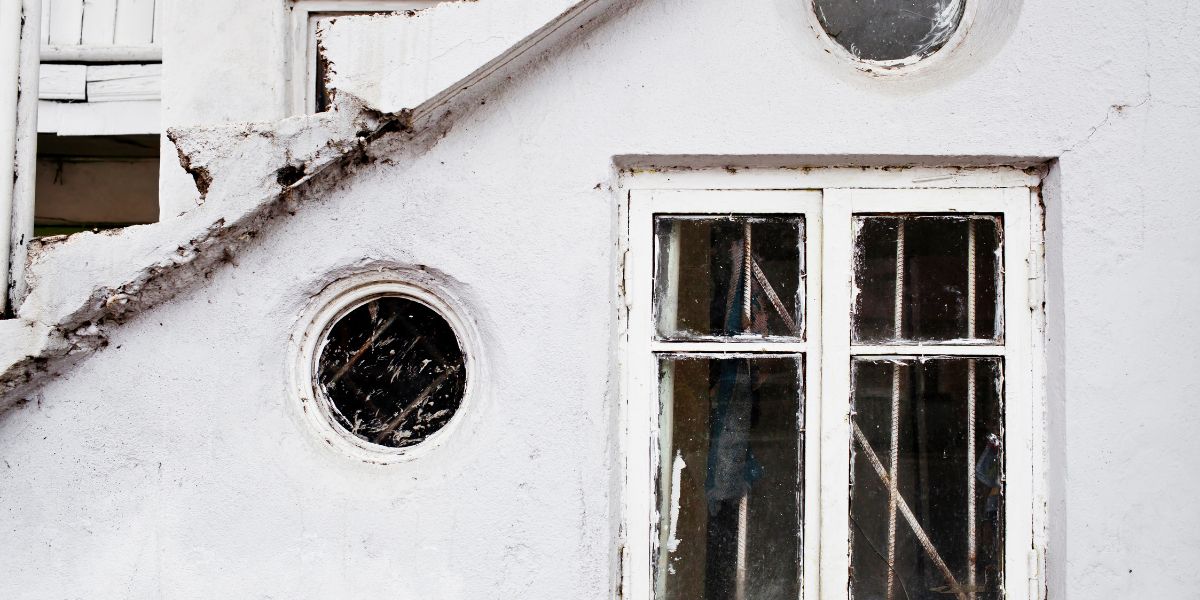
A noticeable draft is one of the clearest signs that you need new windows. If you feel cold air near your windows during winter or heat seeping in during summer, the windows aren’t effectively insulating your home. Drafts lead to higher energy bills, as your HVAC system works harder to maintain a comfortable temperature. Drafty windows can also create uncomfortable temperature fluctuations, making certain areas of your home less livable.
Condensation between the glass panes of double or triple-pane windows often indicates a broken seal. Broken seals allow the insulating gas to escape, reducing energy efficiency and making the windows appear foggy. Fogginess can obstruct your view and make your home look less attractive from the inside and outside.
Windows that are difficult to open or close may be warped or damaged. Over time, materials like wood can swell or deteriorate, making it harder to operate the window. Loss of action can also be a safety issue when quick access is needed during emergencies. Windows that don’t function properly may also impact ventilation, reducing the amount of fresh air that enters your home.
If your energy bills increase for no reason, your windows could be the problem. Older windows, especially single-pane models, are less energy-efficient than modern designs. Replacing them can significantly reduce heating and cooling costs. Energy-efficient windows have advanced glazing, multiple panes, and insulating gas fills that help regulate indoor temperatures more effectively.
If you notice more external noise inside your home, it may be due to older windows that aren’t effective at blocking sound. Replacing them with modern, insulated windows can help restore peace and quiet. This is especially beneficial if you live in a busy area or near a major road, as new windows can drastically reduce the noise entering your home, creating a more tranquil living environment.
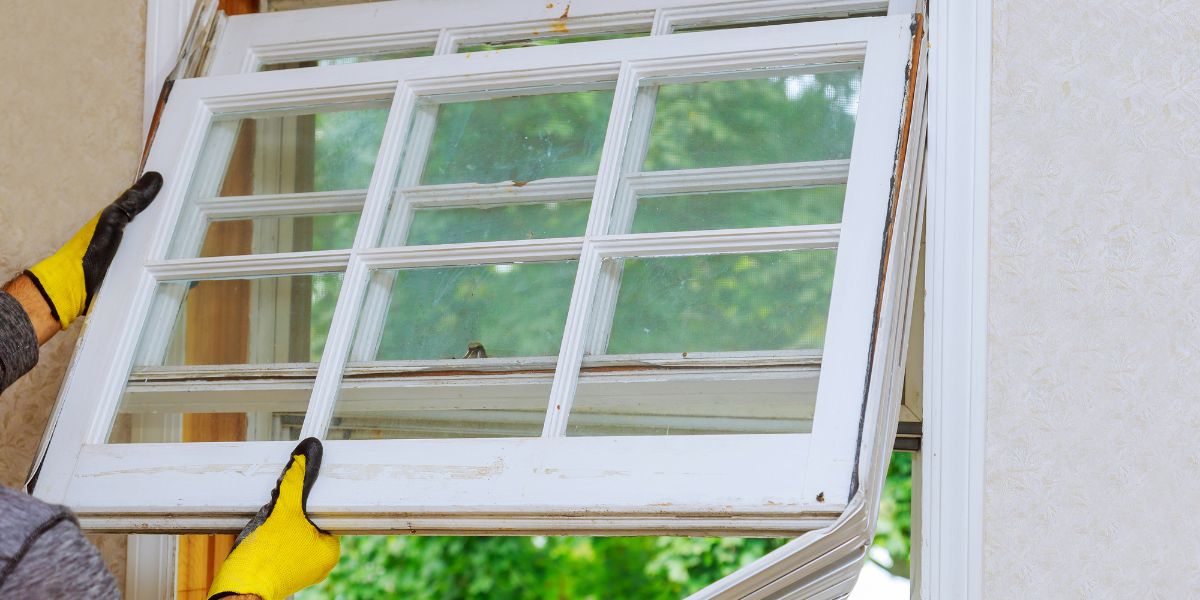
To determine if it’s time to replace your windows, conduct a simple inspection:
If you notice these issues, it’s time to consider getting a quote to understand your options and costs. Replacing problematic windows sooner rather than later can prevent more extensive damage to your home’s structure and save you money on energy bills.
Timing is essential when it comes to replacing windows. You should consider a replacement if:
Replacing your windows provides several key benefits:
How much does window replacement cost?
The cost varies widely depending on the materials, size of the windows, and type of installation. Consider requesting a window replacement quote from a trusted contractor for an accurate estimate. On average, homeowners can expect to pay between $300 and $1,000 per window, including installation.
Can I replace my windows myself?
While some homeowners opt for DIY window replacement, it’s often better to hire a professional to ensure proper installation and maximize energy efficiency and longevity. Improper installation can lead to air leaks, water damage, and reduced energy performance, ultimately costing more in the long run.
How long does window replacement take?
Typically, window replacement takes one to two days for an average-sized home, depending on the number of windows and weather conditions. Professional installers can often replace several windows daily, minimizing disruption to your daily routine. Larger projects or custom windows may take longer, but your contractor can provide a more precise timeline.
What types of windows are the most energy-efficient?
Double-pane and triple-pane windows with Low-E (low-emissivity) glass are among the most energy-efficient options. These windows have coatings that reflect infrared light, keeping heat inside during winter and outside during summer. Additionally, gas fills like argon or krypton between panes further enhance insulation.
How do I maintain my new windows?
Regularly clean the glass, frames, and hardware to keep your windows in good condition. Lubricate the tracks and hinges to ensure smooth operation. Inspect seals annually and replace any that are damaged to maintain energy efficiency.
If you’re experiencing drafts, high energy bills, or difficulty operating your windows, it may be time to consider a replacement. New windows improve your home’s efficiency, comfort, and value. They also enhance your home’s security and curb appeal, making them a worthwhile investment. Ready to take the next step? Get a quote today and see how new windows can make a difference in your home.
Selling your house can be a costly endeavor, but there are effective strategies to minimize those expenses. One of the best ways to save money when selling your house is by using a discount real estate agent. These agents offer lower commission rates while still providing essential services to help you sell your home. By making smart choices, you can keep more of your hard-earned money in your pocket.
In addition to considering a discount real estate agent, it’s important to understand the various costs associated with selling. Typical expenses include not only the agent’s commission but also closing costs, repairs, and marketing fees. Being aware of these costs allows homeowners to plan effectively and identify areas where they can cut back. By implementing a few strategic measures, you can significantly reduce your financial burden during the selling process.
When selling your house, it’s essential to understand the various costs that can impact your overall profit. The most significant expense is typically the real estate agent’s commission, which can range from 5% to 6% of the sale price. This fee is usually split between the seller’s agent and the buyer’s agent, so it’s crucial to factor this into your calculations.
In addition to commissions, homeowners should be aware of closing costs, which can add another 2% to 5% of the sale price to your expenses. These costs often include title insurance, appraisal fees, and attorney fees. Furthermore, necessary repairs and improvements can also eat into your profits. It’s common for buyers to request repairs after a home inspection, so budgeting for these potential costs is wise.
By understanding these expenses, you can better prepare for the financial aspects of selling your home. This knowledge will allow you to make informed decisions and identify areas where you can save money, ultimately ensuring a smoother selling process.
One of the most effective ways to save money when selling your house is to work with a discount real estate agent. These agents typically charge lower commission rates compared to traditional real estate agents, allowing you to retain more of your sale proceeds. While the standard commission is around 5% to 6%, discount agents may offer rates as low as 1% to 3%, or even a flat fee.
Despite the lower cost, discount agents still provide essential services to help you successfully sell your home. They usually list your property on the Multiple Listing Service (MLS), market it, and assist with negotiations. However, it’s crucial to understand the specific services included in the lower commission rate. Some discount agents may offer limited support, so it’s important to clarify what services you will receive and what you’ll need to handle on your own.
Choosing the right discount real estate agent involves doing your research. Look for agents with good reviews and a strong track record in your local market. By making an informed choice, you can benefit from reduced costs while still getting the support you need to sell your home effectively.
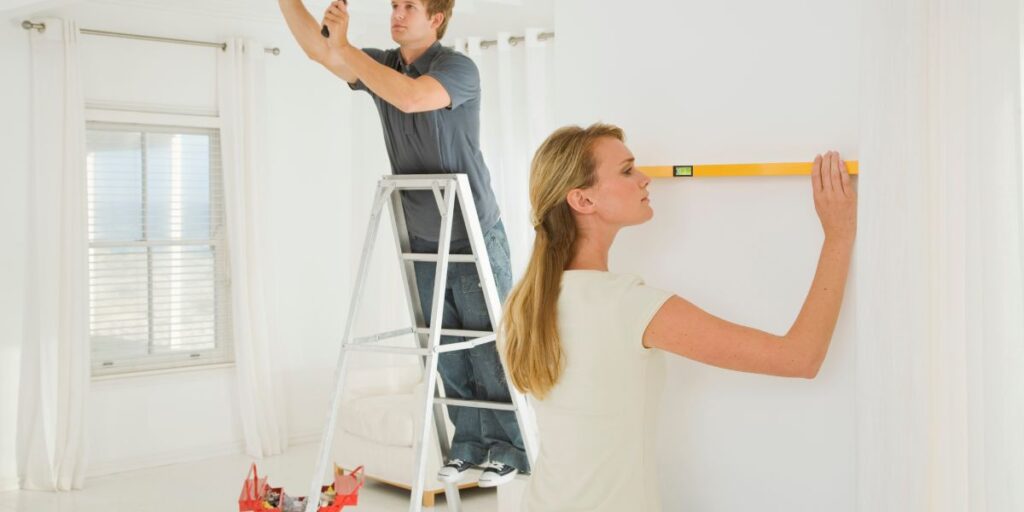
Save money when selling your house by handling repairs and staging yourself. Tackle minor repairs like painting, fixing leaky faucets, and replacing light fixtures to avoid labor costs. Effective staging, such as decluttering, rearranging furniture, and enhancing curb appeal, can attract buyers without additional expenses. Use your existing furniture and décor to showcase your home’s potential.
Thorough cleaning and adding fresh flowers or plants can create a welcoming ambiance. These small touches can make a lasting impression on potential buyers, leading to a quicker sale at a better price. By taking a hands-on approach, you can save money while making your home more appealing to buyers.
Timing can play a crucial role in how much money you save when selling your house. Understanding the real estate market and choosing the right season to sell can help you maximize your sale price and minimize costs. Generally, spring and early summer are considered the best times to sell, as many buyers are looking for homes during this period.
Selling during peak seasons often results in higher demand, which can lead to multiple offers and a quicker sale. This reduces the time your home sits on the market, ultimately saving you money on ongoing expenses like mortgage payments, property taxes, and utilities. Additionally, a faster sale means less stress and uncertainty for you as a seller.
It’s also important to consider local market trends. Research recent sales in your neighborhood to identify when homes are selling for the best prices. If the market is experiencing a downturn, it might be wise to wait for a more favorable environment before listing your home. Consulting with a knowledgeable real estate agent can provide valuable insights into the best timing for your specific situation.
By strategically choosing when to sell, you can significantly impact your financial outcome and keep more money in your pocket.
Implementing effective marketing strategies is essential for attracting potential buyers and maximizing your sale price. In today’s digital age, a strong online presence is crucial. Invest in professional photography to showcase your home in the best light, as high-quality images can capture the attention of buyers browsing online listings. Additionally, utilize social media platforms like Facebook, Instagram, and Twitter to reach a wider audience. Engaging posts can generate interest and encourage shares, further expanding your reach. Don’t underestimate the power of word-of-mouth; ask friends and family to help spread the word about your sale.
Another effective strategy is to host open houses. These events allow potential buyers to experience your home in person, creating a stronger emotional connection. Ensure your home is well-staged for these events, highlighting its best features and creating an inviting atmosphere. Providing refreshments and informative brochures can also leave a positive impression on visitors. By combining professional marketing techniques with personal outreach, you can attract more buyers and potentially secure a higher sale price, ultimately saving you money during the selling process.
Negotiating offers is a critical part of the home-selling process that can significantly impact your final sale price and overall profit. Once you start receiving offers, it’s essential to carefully evaluate each one, considering not just the price but also the terms and conditions attached to the offer. A higher offer might seem appealing, but if it comes with contingencies that could delay the sale or complicate the process, it may not be the best choice for you.
When negotiating, be prepared to counteroffer. This is your opportunity to communicate your expectations and needs. If an offer is lower than your asking price, consider providing a counteroffer that reflects a price you are willing to accept. It’s important to remain flexible and open to negotiation, as this can lead to a better deal for both parties.
Additionally, consider the buyer’s financial situation. Offers from buyers who are pre-approved for a mortgage or are making cash offers can be more attractive, as they often indicate a smoother closing process. Be sure to ask for proof of financing, as this can help you gauge the seriousness and reliability of the buyer.
Effective negotiation can lead to a successful sale that meets your financial goals, so don’t hesitate to advocate for yourself while also being fair to potential buyers.
When selling your home, understanding closing costs is essential to avoid surprises and effectively budget for the transaction. Closing costs typically range from 2% to 5% of the final sale price and can include various fees such as title insurance, appraisal fees, attorney fees, and transfer taxes. Being aware of these costs upfront allows you to factor them into your planning.
One common expense is title insurance, which protects against any issues that may arise with the property’s title. This cost can vary depending on the property’s location and sale price. Additionally, you may need to pay for an appraisal to determine the home’s market value, especially if the buyer is financing the purchase. This fee is usually borne by the seller, and it’s important to ensure that the appraisal aligns with your asking price.
Another cost to consider is the settlement or closing fee, charged by the title company for facilitating the transaction. It’s wise to carefully review your closing disclosure document before the closing date, as it outlines all the costs you are responsible for.
By understanding and preparing for closing costs, you can minimize the financial impact of selling your home and ensure a smoother transaction overall.
In summary, selling your home doesn’t have to be a costly endeavor. By employing strategies like working with a discount real estate agent, handling DIY repairs, and understanding your market, you can significantly reduce your expenses and keep more of your hard-earned money. Furthermore, being proactive in negotiations and aware of closing costs will ensure a smoother selling process.
By combining these ways to save money when selling your house with thorough preparation and careful planning, you can navigate the selling journey effectively. Whether it’s negotiating offers, understanding the intricacies of closing costs, or simply presenting your home in the best possible light, each step you take will contribute to a successful and financially rewarding sale. With the right approach, you can achieve your selling goals while minimizing stress and financial outlay.

Choosing a realtor is one of the most critical decisions you’ll make when buying or selling a home. A knowledgeable and experienced real estate agent can make the process smoother and more successful, while the wrong choice can lead to frustration and disappointment. To help you find the right realtor for your needs, we’ve compiled a comprehensive guide on the key factors to consider during your selection process.
Before you start searching for a realtor, it’s essential to clarify your real estate goals. Are you buying or selling a home? Are you interested in a specific neighborhood or type of property? Knowing your objectives will help you find a realtor with expertise in your desired area and specialization.
Begin your search by asking friends, family, and colleagues for recommendations. Personal referrals are often the most reliable way to find a trustworthy and reputable realtor. Real estate professionals who come highly recommended have likely provided excellent service to others in your network.
Look for realtors who are licensed and members of the National Association of Realtors (NAR). Additionally, consider their experience and track record in the local real estate market. An agent with a proven history of successful transactions is a valuable asset.
Utilize online resources to research potential realtors. Most agents have websites or profiles on real estate platforms, allowing you to learn more about their specialties, listings, and client reviews. Pay attention to their online presence and how they market properties.
Don’t settle for the first realtor you come across. It’s a good idea to interview several candidates to gauge their knowledge, communication skills, and compatibility with your personality and goals. During these interviews, ask questions about their experience, recent sales, and strategies for achieving your objectives.
Choose a realtor who specializes in the specific area where you want to buy or sell a home. Local expertise is invaluable when it comes to understanding neighborhood dynamics, property values, and market trends.
Effective communication is essential throughout the buying process. Ensure that the realtor you choose is responsive, available when you need them, and willing to provide regular updates. Clear and open communication will reduce stress and keep you informed.

A skilled negotiator can make a significant difference in the final outcome of a real estate transaction. Ask potential realtors about their negotiation strategies and their success in securing favorable deals for their clients.
Understand the realtor’s commission structure and any additional fees involved. Be transparent about your budget and expectations to avoid misunderstandings later. While price is a factor, it should not be the sole determinant in your decision.
Trust your gut feeling about the realtor you’re considering. You should feel comfortable and confident in their abilities and trust that they have your best interests at heart.
Ask for references from past clients and read online reviews. These can provide valuable insights into the realtor’s reputation and performance.
Carefully review any contracts or agreements before signing. Ensure that you understand the terms, including the duration of the agreement and the realtor’s responsibilities.
Choosing the right realtor is a critical step in any real estate transaction. Take your time to research, interview, and evaluate potential realtors to find the one who aligns best with your goals and needs. A skilled and trusted realtor will not only streamline the buying or selling process but also maximize your chances of a successful and satisfying outcome.
There are steps to buying a home, but first, you need to get your finances in order and find the right lender for your mortgage.
The home-buying process has been broken down into 10 steps. We call it a buying-a-house checklist. There are choices to be made and things to do at each step. Some steps are very stressful, others are quite cool, and some are just plain annoying. Each step will get you closer to your goal of homeownership.
Yes, it’s important to be financially prepared to purchase a house. (See Step 2 for more information). Are you emotionally ready to buy a house? Even though it is your starter home, you are making a significant financial commitment and planting roots.
It is important to consider your future goals. Can I buy it with a partner? If so, how are you going to spend your money? Are you willing to move for work? Do you have thoughts of starting a family? These big-picture considerations can help you decide if this is the right time for buying a house.

Buying a home may be the largest financial decision of your life by buying a house. Before you do, ensure that you have solid finances.
A home affordability calculator will help you calculate your budget. It takes into consideration your income, debts, and location. This calculator will show you how much your monthly mortgage payments could add up, and what your financial situation might look like as a homeowner.
This is important to keep your dreams in check. Although you might be eligible for a substantial mortgage, that doesn’t necessarily mean that you want to dedicate that much of your income to housing.
Also, check your credit score. Higher credit scores are the best way to get a lower interest rate on a mortgage. Learn about the different mortgage options available to you based on your credit score. It may be worth waiting to get homeownership if your credit score is not in good shape. Instead, do what you can to improve it.
Once you have determined your financial capabilities, you can determine how much money you will need to save for a downpayment. Many homeowners choose to make smaller down payments than 20%, even though it used to be the norm.
Although a smaller down payment will require less upfront money, it will mean you’ll need to pay mortgage insurance which can increase your monthly payments. The minimum down payment depends on the type of loan that you take out.
You may be interested in state programs for first-time buyers if this is your first house or if it’s been a while since you last owned one. Many provide financial assistance, including down payment assistance.
Gift money can also be used to help increase your down payment if you have a friend, family member, or relative who can afford it. The rules regarding gift money are different depending on the loan program.
It’s not hard to come up with a list, both of the essentials and of the nice-to-haves, for your home. There are many details to consider when looking for a home.
Attached house or a detached house? A traditional single-family home might be the best option for you if you want a yard. If you live in an area with high density or don’t want to manage all the maintenance, a condo or townhouse may be your best option. Co-ops may also be an option in some cities. These co-ops can be cheaper than condos, but they are more difficult to finance.
Where is your ideal place? Now that you know where you want your home to be, and you have decided to stay in the state you live in, it is time to find a neighborhood. Consider safety, amenities, such as walkability, green space, or coffee shops, and costs.
This can include property taxes, and HOA fees if applicable. You should also consider the school district. Even if you do not plan on having children, the school district can have an impact on the value of your home and affect your resale prices.
Are you looking for a move-in-ready or fixer-upper property? It’s easy to buy a house that you can move into. If you live in a competitive or expensive market, you may be able to afford a bigger house or move into a more expensive neighborhood by taking over a property that is in need of some TLC. You will have to do the work and pay the money to make the property livable.
The type of mortgage that you choose to purchase a house will affect how much you can qualify for it, including the down payment amount and the repayment terms. The right home loan will increase your chances of approval and could save you thousands over the long-term.
It is important to understand the pros and cons of each type of mortgage before you make a decision about which one to choose. These are the most common types of mortgages.
You may be able to choose between an adjustable-rate mortgage (also known as an ARM) or a fixed-rate mortgage. Fixed rates are fixed, while adjustable rates can change or increase. As you may have guessed from their names, adjustable rates are variable.
An ARM loan may have a lower interest rate than a fixed-rate loan. This allows you to purchase more property for the same monthly payments. However, rates can change over time.
The mortgage term will also be chosen. The most popular mortgage term is 30 years, although 10, 15, or 20-year terms are also available.
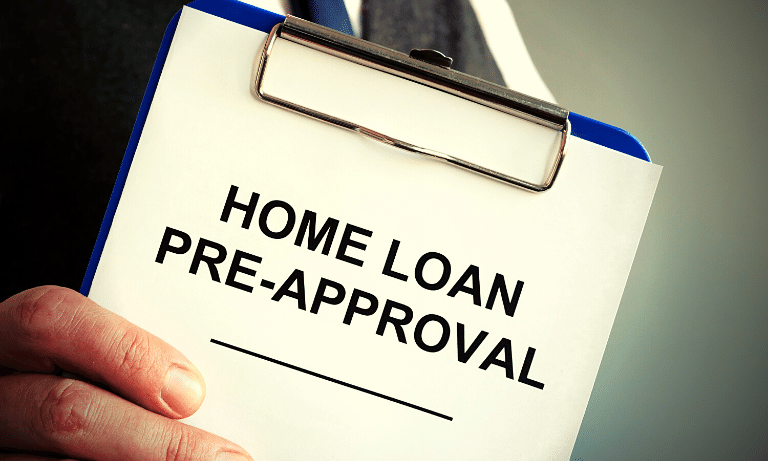
It’s now time to search for a mortgage lender. There are many lenders available, including large brick-and-mortar lenders with familiar names, nonbank online lenders, and smaller credit unions and local banks that might offer better service.
The first step in looking for lenders is to determine if they offer the loan type you need. If you have made a decision to get an FHA loan but they are not an FHA-approved lender then move on. Beyond that hurdle, it’s important to compare their sample rates with current mortgage rates, determine your closing costs, and compare mortgage origination fees. Most likely, this information is available on their websites. However, to obtain more numbers, a loan officer will be required.
It is important to work with a lender in order to be pre-approved for a mortgage. The lender will be able to give you accurate numbers if you have provided detailed financial information.
This includes a hard inquiry that will be reported to your credit report. The good news is that if you apply to multiple lenders at the same time, it will only count as one hard inquiry. Shopping around might help you find a lower rate.
It can take a lot of time to gather all documents needed for preapproval. It can be time-consuming to gather all the documents needed for a preapproval letter from one lender. However, you will find it easier to apply with other mortgage lenders. The benefits you’ll receive are well worth it.
You can get a Loan Estimate along with the preapproval letter that will tell you how much the lender is willing to lend you. Although this form isn’t final, it allows you to compare rates, fees, and other costs between lenders since they all use the exact same form. Pre-approval letters are typically valid for 60 to 90 days. After that, they will need to be renewed.
Pre-approval letters can also show sellers and agents that you are serious buyers who can obtain financing. This can be a significant advantage over other home shoppers. Pre-qualification is another term you may have heard.
It gives you an estimate of the amount of money that the lender will allow you to borrow, based on your self-reported data. Although the terms can be interchanged, a preapproval letter is more important. However, neither preapproval or prequalification guarantees that you will close the loan.
Now that you have been pre-approved for a mortgage and you know what type of house you want, let’s start looking for someone to help. A good real estate agent can make all the difference in the buying process, whether they are able to help you find the right house or provide moral support during the frustrating search.
Interviewing at least three agents is a smart idea. Ask friends and family who have recently purchased a home if they would recommend their agent. The one rule is this: Do not use the agent selling your home. Your agent should be able to advocate for you and negotiate on your behalf.
The seller usually pays a commission to the buyer’s agent. You may have to sign a representation agreement, which will make you pay the commission if the seller does not. Although it is rare for the seller to pay, it could happen if you are buying a property for sale by owner. However, you should still carefully read the agreement and confirm who will pay.
Have you found the right home for you? It’s time to make an offer. A realtor can help you find comparable sales information as well as any insight about the sellers that they may have gleaned from their agent (e.g. if they have already moved to a new area and are more motivated to sell). A real estate lawyer may be helpful. A lawyer may be required in certain states to assist with any real estate transaction.
You can make a counteroffer if the seller declines to accept your offer. It all depends on why they turned it down. Talk to your agent if the seller objects to your offer. You can then decide whether you will accept it or not. These negotiations are where a buyer’s agent truly earns their money.
Accepted offer? Congrats! You’re now ready to move on. This is also when you’ll likely write your first check. The earnest money is the deposit you make towards the purchase of the house. It is usually placed in an escrow account and most buyers use it to close the deal.
A basic home inspection will help you identify any potential problems and make recommendations for repairs. This inspection covers every aspect of the house, including the foundation and roof.
You may need to have one of the more specific types of home inspections, in addition to the standard. You may also want to inspect any features of the home, such as a pool or septic system, as these can be dangerous.
The home inspector should be chosen and paid for. You may be able to negotiate with the seller if the inspection uncovers issues that were not disclosed in the seller’s disclosures.
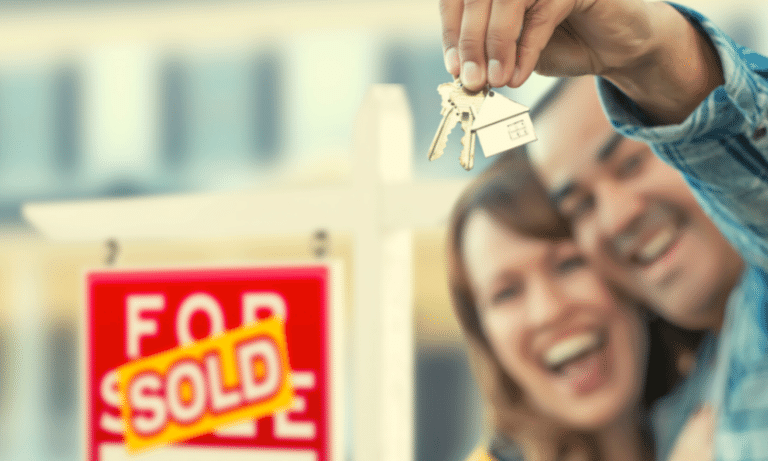
It’s finally here! It can be less nerve-wracking to familiarize yourself with the standard closing documents before closing.
The closing disclosure must be provided by your lender at least three business days prior to the actual closing. It is possible to compare the closing disclosure with your Loan Estimate in order to determine if any changes have occurred. This will give you an estimate of how much cash you’ll need for closing.
You’ll conduct a final walkthrough with your agent on closing day or shortly thereafter. Although you’ll be excited, make sure that everything is as agreed.
It has been a blur of emotions and seemingly endless paperwork. But now, you have the keys to your new home.
Although buying a home is a wonderful experience, it can also be very stressful. This will make the experience less stressful by having a plan of attack, knowing your budget, and how to get approved.
Also, keep in mind the cost of owning a house. There are many ways to finance your home, and you can get loans of all types.
It is no secret that it is very expensive to buy a home these days. It’s not cheap to sell a home. Therefore, it doesn’t matter how much a home sells for, it is unlikely that the seller will leave the table with the exact amount. This article will give you a breakdown of the costs involved in selling your home, and offer some tips to keep them from spiraling out of control.
A home’s “curb appeal” is often referred to by real estate agents. This refers to how it looks to potential buyers. You must take a thorough look at your property from the outside. Are the paints in good condition? Are the bushes well trimmed? Is the garden weeded and trimmed? You should invest time and money to fix any areas that fail to pass.
Once you have made your home attractive enough to potential buyers, it is time to update the interior. Are the wallpaper and paint still in good condition? Are there obvious repairs needed?
Sellers are increasingly staging their homes to improve their marketability. This could mean anything from decluttering to renting or buying new furniture. A professional stager can be hired or a realty agent can give tips.
A 2021 National Association of Realtors report estimates that professional services could cost $1,500. This is a significant amount, and in many cases will be more than the cost of the service itself. According to the NAR survey, 23% of agents who staged sales reported an increase in their selling prices of 1% to 5%. 29% reported an increase of anywhere from 6% up to 20%.
According to NAR, living rooms (90%), kitchens (80%), master bedrooms (78%), and dining rooms (69%) are the most staged rooms.
While small, inexpensive improvements can make a big difference in a remodeling project’s success, they are not as effective. Remodeling’s 2021 Cost and Value Report found that not one of 22 remodeling projects would be able to recoup their full costs at the time of sale. A minor kitchen remodel averaged 72%, while a major project averaged 54%. The only project that was worth the money was to replace a garage door with one made of steel. It cost 94%.
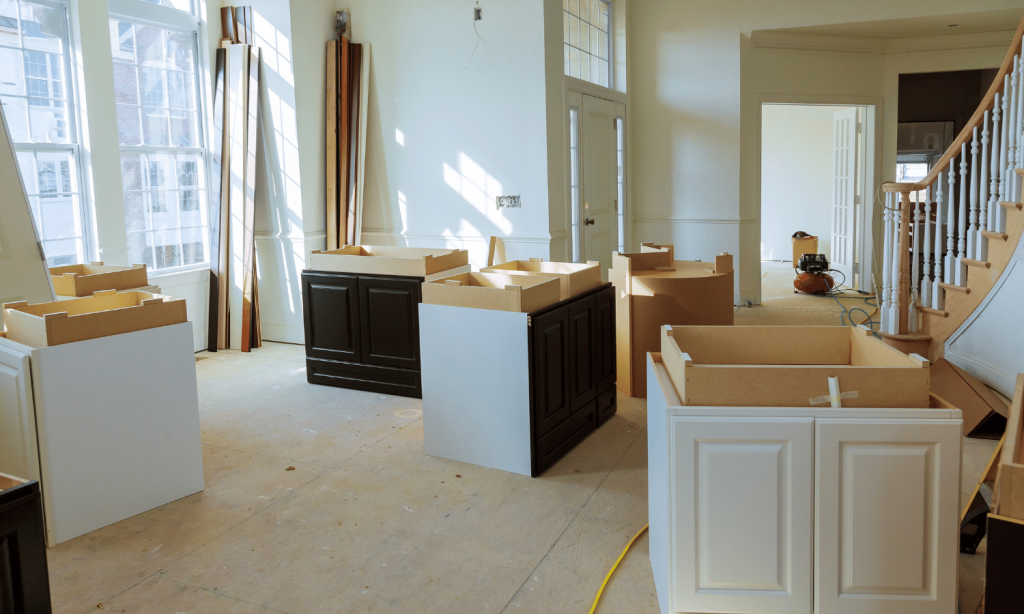
A home may receive multiple offers in a strong housing market. Sellers don’t have to offer additional incentives to buyers to make their homes more competitive. However, in a weaker housing market, there may be some incentives that make a difference.
Incentives include paying points towards the buyer’s mortgage (also known as a seller-paid point), covering closing costs, or leaving behind furniture and appliances.
You will need to pay off any mortgage debts that you have. To make the deal go through, you will need to have a letter or statement from your lender. This will include information about how much you owe your lender and any prepayment penalties.
If your lender has an escrow account, they should apply the amount to your outstanding debts or refund it.
Selling a house is expensive. Often, the commissions paid by real estate agents are the largest expense. It may surprise some sellers who are first-time buyers that the seller usually pays both their agent’s and the buyer’s commissions.
How much does a real estate agent cost? The standard commission split between seller and buyer agents is 6%. However, commissions can be negotiated and some agents will accept a lower commission.
Discount brokers may charge sellers a flat fee or a lower percentage (often between 1% and 2%) These include both online brokerage sites and local realtors. There are tradeoffs and you might not receive the same level of service or attention if you pay a higher rate. You may also have to pay a standard commission for the buyer’s agent.
Selling your home yourself can save you commissions. You will still need to pay the buyer’s agents and you will have to do a lot of the work your agent would. It works for some sellers.
The bulk of closing costs for sellers is covered by the costs of real estate agents’ commissions. While some people choose to sell their homes without an agent to save money, you will still need to do a lot of work and pay the buyer’s agent.
Although the law in each state may differ on whether you are required to hire a lawyer to sell your home, it is often a good idea to do so. The lawyer representing the seller at closing can draft and review the sale contract.
The price you pay will vary from one place to another, but it is likely to range from several hundred to several thousands of dollars.
The bulk of closing costs that the seller has to pay will be covered by the commissions paid by real estate agents. However, there may also be other expenses. The seller must pay transfer taxes that some states impose on property transfers. The association may also charge a transfer fee if the property is part of a homeowners association.
These rules can also vary from one state to the next. In many cases, the buyer and seller can negotiate who will pay a specific closing cost as part of the contract.
Federal income taxes may apply if you make enough money from the sale of your home. If you meet the following two requirements, you can exclude a portion from your profits: The home must have been yours for at least 2 years and it must have been your residence for at least 2 years of the last 5.
If you are eligible, you can exempt up to $250,000 as an individual and $500,000 as a married couple filing joint tax returns. Keep in mind that your profit is not based on the amount you paid initially for the home but rather on your adjusted cost basis. This is the sum of the amount you paid for your home and any improvements that you have made over the years.
For example, if your home has a new roof or central air conditioning system, these expenses will increase the basis and decrease your profit. It is possible to add some of the closing costs you incurred when the house was purchased to the basis.
You should also consider the time you lived in your home and how much capital gains tax it will result in. Your profit, if any, will be treated as a long-term capital loss if you own the home for less than a year. It will be subject to the potentially much higher tax rate for short-term capital gain if you own it for less than one year.
The fees that homebuyers must pay are numerous. Make sure you bring enough checks to your closing. The typical closing costs include a mortgage origination charge, title search fee and title insurance premium. These fees can be negotiable, and sellers may offer to contribute as part of your agreement. The average closing fee for a buyer is between 3% and 6% of the sale price.
Tax deductible closing costs are rare. Mortgage interest (including points), and real estate taxes are exceptions. This is only if either the seller or buyer itemizes deductions in their tax returns for the year. Sellers can add some of the original closing costs to their adjusted cost basis for their homes to reduce their tax liability.
No-closing-cost mortgages are those in which the lender adds the borrower’s closing cost to the loan amount, or charges a higher interest rate. This means that even though you don’t need to pay closing costs at first, they will be added to your loan amount over time.
You can easily feel overwhelmed by the costs involved in selling your house. These costs can actually increase the resale price of your home and help you sell it faster. Not only will it save you stress, but also make your home more attractive to potential buyers.
The bottom line is that most of the costs of selling your home are, like home ownership itself, often a wise investment. If you are unsure of the costs involved in putting your home up for sale, you may benefit from asking a professional real estate agent to help with the process.
Unless their home is damaged or someone is injured on the property, homeowners insurance isn’t something most people think about. Good homeowners insurance can make all the difference between financial security or disaster.
You don’t have to stay with the same carrier; it is actually recommended that you shop around for lower rates. There are countless websites that compare the rates of numerous homeowners insurance companies, and you may find a suitable carrier among them that charges you less. Premiums for homeowners insurance are constantly rising which may become a problem in the future as these premiums are consistently rising.
Pricing for the coverage of your residence–a large portion of your homeowners insurance–is determined by the cost of repairing or rebuilding your home. Contrary to popular belief, home insurance premiums don’t correlate with home prices. Therefore, real estate inflation experienced by many areas in the past year will not affect home insurance costs. These other trends may also have an impact:
In such an atmosphere, you might be questioning exactly how to cover your residence effectively, reduce your premiums, and also handle your present insurer– or discover a brand-new one. These suggestions might help.

How well an insurer handles claims is the best way to judge an insurance company. Some state insurance departments publish rate comparisons which can usually be found on the company’s website. Some insurance companies may also take surveys on customer satisfaction.
Customer satisfaction was best predicted by companies’ damage estimates. Lower-rated insurance companies often tended to have a greater percentage of consumers who disagreed with their damage price quotes and also felt that their last settlement was not large enough.
A large number of homeowners indicate that they have changed carriers within the past three years. Over half of those who switched to another carrier said that they did so because they were offered a lower price. Not to be confused, however, is the fact that select top-rated companies use their own agents and their homeowners insurance is not included in online shopping. To get quotes, you will need to contact each company separately.

Homeowners coverage is not subject to state mandates, unlike auto insurance. If you have to rebuild your home, being underinsured could result in you being responsible for large sums.
On the other hand, you don’t want to buy too much coverage. For example, it would be an error to assume that you require coverage equal to the market value of your home. This value also includes the land on which your home is built, which will not change even after a disaster. This is why your home’s value will usually be greater than its cost to completely rebuild. It is recommended to have enough insurance to cover the cost of the labor and materials required to rebuild your home. This is called the replacement value, or replacement cost. This amount can be calculated by your insurance agent.
Standard homeowners insurance policies provide “loss-of-use” coverage. This policy pays a fixed amount per day to allow you to live in another place while your home is being built. Rebuilding can take longer if certain building components are difficult to find which could mean that you may spend more time outside of your home than usual. It is suggested that you discuss this coverage with your agent in order to ensure that you have sufficient funds going forward.
Standard policies will be more expensive if you add on options or have separate coverages. This could save you money over the long-term. Remember that not all carriers will offer these extras in their basic overage option and some may charge extra premiums. These are some add-ons you should consider:

Homeowners policies usually include a liability insurance limit of $100,000 to cover damages and costs resulting from lawsuits. Depending on where you live you may be sued for all of your assets, including investments and real estate. Boost your limit if the worth of your assets goes beyond $100,000.
It is best to purchase coverage that is at least equal in value to your assets. This extra protection can be provided by umbrella or excess liability coverage. In the event of a lawsuit for property damage or accidental injury, it will increase your liability protection beyond what is provided by your home policy. You may also be protected from lawsuits for libel and slander, but you may need to increase the liability coverage limits of your homeowners insurance before you can get it. An umbrella liability policy for $1 million typically costs only a few hundred dollars every year. Getting more umbrella coverage can help you save money.

Flooding will not be covered by homeowner’s insurance if it is caused by a pipe, or another system in your home. Flood insurance must provide protection against flooding or mud flows from the outside only. Even if your property is not at risk, this coverage can prove to be very cost-effective. It has been proven that a portion of flood losses paid by insurance companies have taken place in low-risk flood areas.
You can purchase flood insurance coverage through any insurance agency that sells homeowners or car insurance. You can purchase flood insurance through the National Flood Insurance Program or through a private insurance company of your choosing.
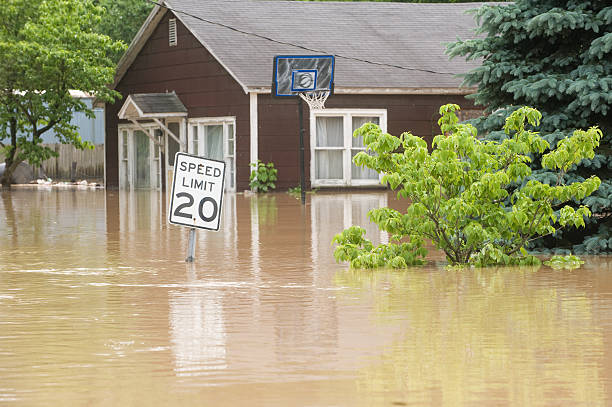
Multiple claims within a short time frame will likely result in a rate increase, or worse, your insurer may not renew your policy. There is not a significant number of homeowners who have seen an increase in their insurance rates after submitting a claim so there isn’t much to lose by filing one claim.
If you don’t file a lot of claims, your insurer won’t raise your rate or decline your renewal request. However, you should not make claims for less than the deductible. This could result in you losing any discounts that you are entitled to for infrequently filing claims. Before you report, talk with your insurance agent about the pros and cons of filing a claim.
There are many reasons why insurance companies drop customers, including:
Talk to an agent if you have been dropped and cannot find coverage through a private insurance company. You can also contact your state insurance department or go online to get a list of local insurers.

Cost effective roofing materials are those that provide long term or permanent solutions and can be applied on commercial, residential, or industrial properties. Many factors are taken into consideration when deciding the right roofing materials for the building. The main thing that is looked at is the design and the purpose of the roofing. The cost of these roofing materials depends on the materials chosen, the design, its installation, and its maintenance. Whether you are doing your roof yourself or using a roofing contractor, you want to choose roofing materials that will withstand the climate in your area.
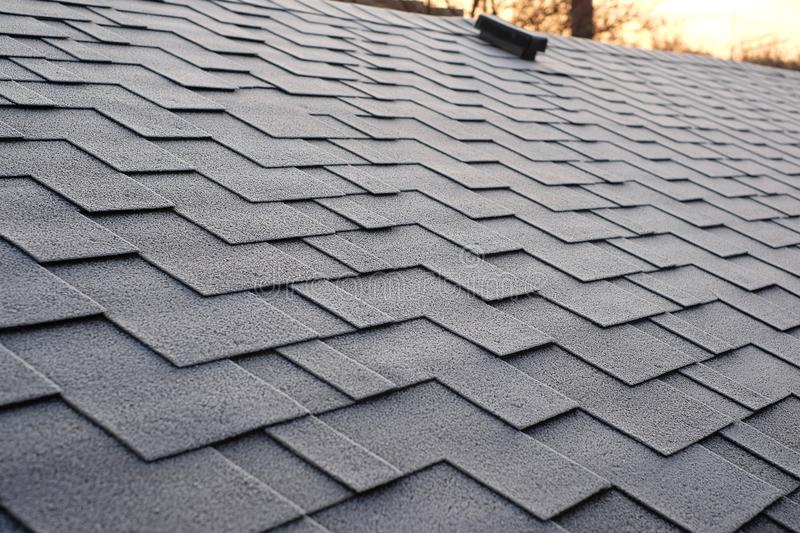
Asphalt is one of the most cost effective roofing materials you can use on any roof. When properly applied, asphalt shingles are able to provide superior protection against the elements while providing superior aesthetics. Because asphalt shingles come in such a wide variety of colors, designs and styles you are sure to find the right roofing style and color that will fit perfectly with your home’s design and structure. By using the right roofing professional you can be sure to get the job done correctly and cost effectively.
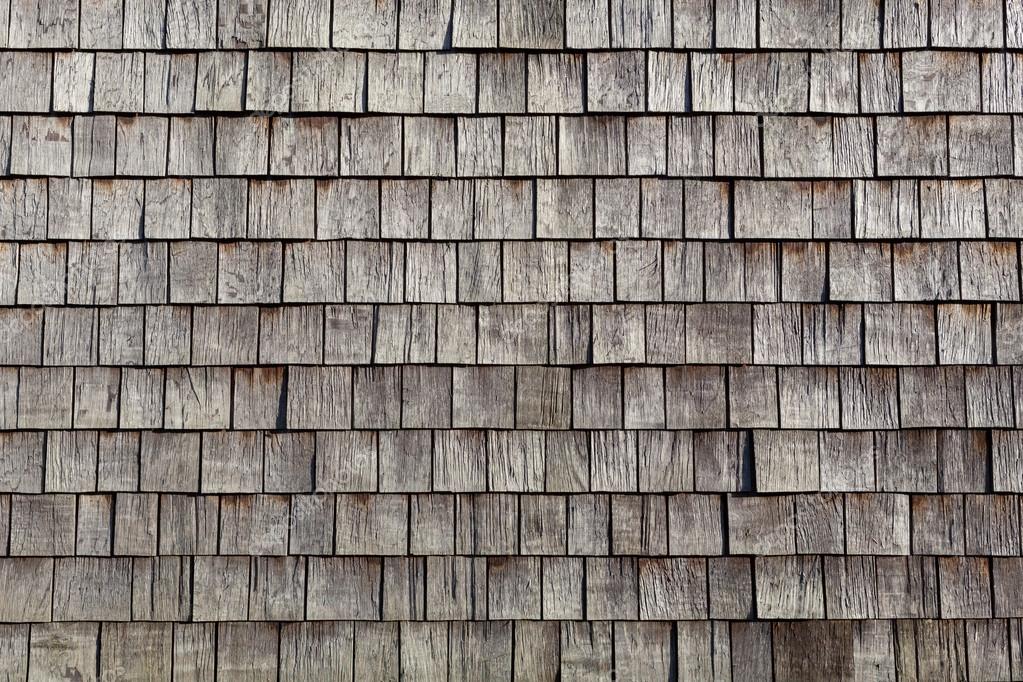
Over the last few decades, wooden shingles have become very popular for homes around the country. There are many advantages to wooden shingles and one of them has to do with energy costs and the environment. It seems that now and then, people want to be more environmentally conscious and these shingles are an easy way to do that. In addition to the low cost and the energy benefits, wooden shingles are also a visual delight for the eyes. They bring a sense of old tradition to a home and when done correctly, they can really add to the look and the architecture of a home.
There are many different types of wooden roofing materials, including shakes and shingles. Each one of these brings its own benefits to the table. For example, wooden shakes are usually made of pine bark that has been ground into a powder and mixed with water and then poured into mold. These shakes are then installed by float or shake roofing contractors so that the final product is a very durable and long lasting one.
The cost of metal roofing is almost half that of wooden roofing. The main reason behind this is that metal is a more durable material than the other roofing materials. It is very easy to install as well. This metal roofing can also withstand extreme weather conditions and is ideal for those who live in areas that get heavy snowfall and high temperature. They’re also better at resisting hail damage which is an additional roofing problem that can drive up the cost of roofing repairs.

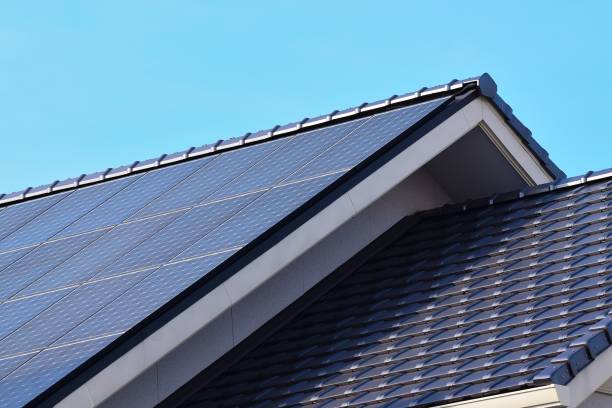
Some roofing systems today that are very popular include solar glass tiles, solar roof panels, and solar roof shingles. Each of these systems has its own advantages and disadvantages in terms of building your home more energy efficient. The solar glass tile is very durable and strong, however, it is the most fragile and needs to be properly installed by a professional roofing contractor or a skilled electrician. The solar roof panels are more easily installed, but you have to have a good amount of knowledge about electrical wiring and have plenty of experience in installing solar panels.
One of the biggest advantages of using solar roof tiles is that they are a much more affordable way of going solar than having to purchase all of those separate solar panels. The roofing material can often be purchased for less than $200. For the cost of just a couple of solar roofing panels, you can save a huge chunk of money on your energy costs every month which can help also you save money for your mortgage. In addition, if your roof is damaged due to a storm or hurricane, the solar roofing material can actually provide some roofing solution by providing some additional strength to the roof structure.
You can’t afford to leave shingles on your roof for any length of time as they begin to deteriorate and become extremely vulnerable to the elements. When choosing a roofing contractor, you should ensure that they have a proven track record and are able to provide you with a warranty on your roof. It’s best to get a few estimates from roofing contractors prior to deciding on one as their services can vary dramatically.